The Complete Beginner's Guide to Drone Photography
March 26, 2026
Imagine floating hundreds of feet above a dramatic coastline, watching the waves paint the shore with white foam. Or soaring over a dense forest canopy as it transforms into a vibrant mosaic of autumn colors. This is the world that drone photography opens up: a view once reserved for pilots and birds, now accessible to creators like you. This guide is your co-pilot for exploring this new creative frontier.
Choosing Your First Aircraft
First, consider the camera’s sensor size. A larger sensor can capture more light and detail, which is crucial for shooting in the golden hours of sunrise and sunset or in lower-light conditions, resulting in cleaner, more vibrant images.
Next, look for the ability to shoot in RAW format. A RAW file is like a digital negative; it preserves all the unprocessed data from the sensor, giving you complete flexibility when you edit your photos later. This single feature can transform a good shot into a great one. Finally, evaluate flight time. A longer flight time means less time worrying about the battery and more time exploring angles and patiently waiting for the perfect light.
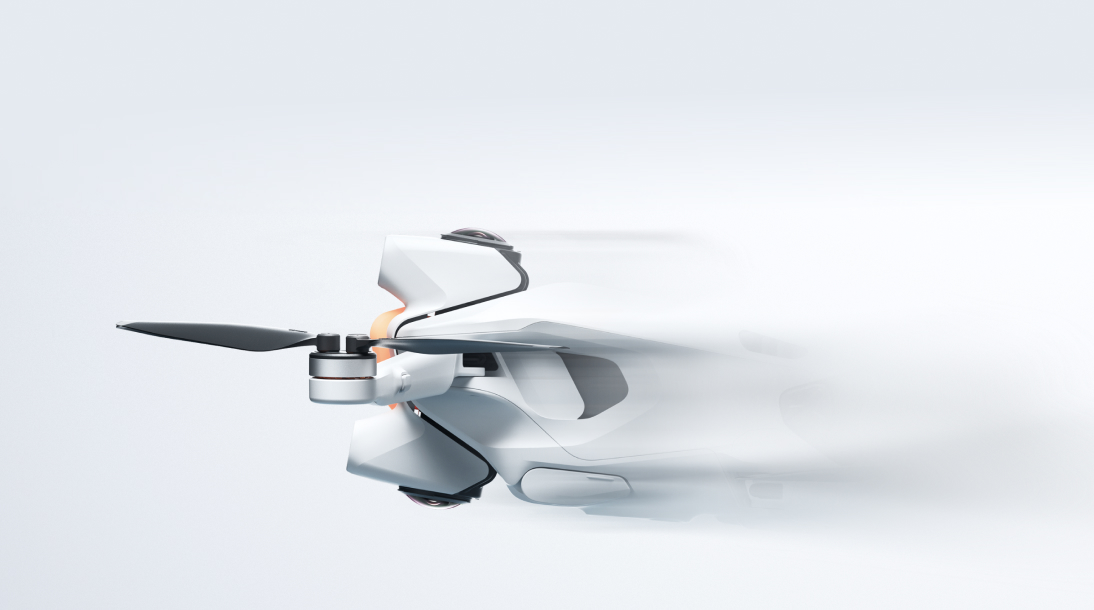
With traditional camera drones, you often spend precious minutes just trying to frame the perfect shot while simultaneously piloting. We designed Antigravity A1 drone camera differently. Its 360° capture records everything around you in 8K, allowing you to focus entirely on flying and experiencing the location first, then choosing the best angle afterward. Instead of hovering and adjusting endlessly, you explore naturally and decide on composition during editing — a workflow that removes pressure from beginners and encourages creative discovery.
The best drones for photography should empower your creativity, not complicate it.
Fundamental Camera Settings
Leaving "Auto" mode behind is the first big step toward unlocking your creative potential...
For color accuracy, switch your White Balance from "Auto" to a manual preset like "Sunny" or "Cloudy." This prevents the camera from changing its mind mid-shoot.
Flying immersively also helps you notice subtle lighting shifts earlier. When viewing through full-field goggles like Antigravity Vision, you perceive highlights and shadow depth more naturally than on a small screen, making exposure decisions more intuitive while composing a scene.
Techniques for Stunning Drone Photography
Great photography is about how you see the world. From the sky, that world transforms into a canvas of shapes, lines, and textures you would never notice from the ground.
One of the most powerful shots unique to drones is the top-down, or nadir, view. Flying directly over a subject and pointing the camera straight down reveals a world of abstract beauty. A simple boat dock becomes a geometric marvel; a forest canopy turns into a world of texture. Look for interesting patterns and color contrasts that are only visible from this angle. It’s a simple way to create a powerful, graphic image that immediately stands out.
Just as in traditional photography, leading lines are a powerful compositional tool. From above, you can find them everywhere: a winding river carving through a valley, a coastal road hugging the shoreline, or the neat rows of crops on a farm. These lines create a natural path for the viewer's eye, drawing them deep into the scene and adding a sense of journey. Position your drone to make these lines a dominant feature of your frame.
The world is full of repeating patterns and symmetry, and an aerial view is the best way to find them. Look for the natural symmetry in waves on a beach or the organized grid of a city block. Composing your shot around these elements creates a sense of harmony and visual satisfaction. Sometimes the most compelling subject isn’t a single object, but the rhythm created by many working together.
Finally, light is your most important tool. Shooting during the golden hours, just after sunrise or before sunset, creates long, dramatic shadows that sculpt the landscape. These shadows reveal texture and add a profound sense of depth to your images. A flat field can become a dynamic scene as the low-angled sun highlights every contour. This is one of the most effective aerial photography tips for adding drama. Experiment with how light and shadow interact to tell a more compelling story.
At this stage, many photographers discover that composition decisions are much easier when you feel present inside the scene rather than judging from a tiny screen. Using immersive viewing systems like the Antigravity Vision Goggles allows you to see scale, depth, and alignment more naturally while flying. Because the live image fills your field of view with minimal delay, you can intuitively adjust position, altitude, and angle in real time. Another tip for getting the best photos is flying with a drone that captures every direction simultaneously, like Antigravity A1. This makes composition less about reacting quickly and more about patient observation. You can simply fly through a scene, then later choose whether the top-down pattern, horizon framing, or leading lines tell the strongest story.
Advanced Techniques: HDR, Panoramas, and Long Exposures
Once you've mastered the fundamentals, it's time to push the creative boundaries... Before diving into advanced techniques, ensure you've mastered basic drone flight.
With 360 capture, you effectively collect multiple potential frames in a single pass. Instead of committing to one angle during flight, footage from systems like Antigravity A1 can be reframed into multiple compositions afterward, which pairs especially well with HDR workflows — giving you flexibility similar to shooting multiple bracketed compositions at once.
High Dynamic Range (HDR) is your essential tool for challenging, high-contrast lighting. Imagine a brilliant sunset where the sky is blazing with color, but the landscape below is sinking into shadow. A single shot would force you to choose: expose for the sky and lose the ground, or expose for the ground and blow out the sky. Using your drone’s Auto Exposure Bracketing (AEB) mode solves this. The camera automatically takes multiple RAW shots at different exposures. Later, you merge these into a single HDR photo that reveals stunning detail across the entire scene, from the brightest cloud to the deepest shadow.
For scenes that defy the limits of your lens, a panorama is the answer. This technique is perfect for capturing the immense scale of a mountain range or a sweeping urban skyline. The process requires precision:
- Hover in a stable position and lock your camera's focus and exposure settings to ensure consistency.
- Take your first photo.
- Carefully rotate (yaw) the drone, ensuring about 30% overlap with the previous shot, and take the next picture.
- Repeat until you’ve captured the entire vista.
Back on your computer, editing software seamlessly stitches these frames into one massive, high-resolution image. And for the truly adventurous, in low-light, low-wind conditions, you can even experiment with long exposures. By slowing the shutter speed for a few seconds, you can transform moving water into a silky mist or capture mesmerizing light trails from moving vehicles, adding a magical quality to your aerial landscape photography.
FAQ
How high can I legally fly my drone?
In the U.S., the FAA sets the maximum altitude at 400 feet above ground level (AGL). This regulation keeps your drone clear of airplanes and helicopters. Always use an airspace app like B4UFLY to check for local flight restrictions before you take off.
Do I need insurance for drone photography?
For recreational flying, it’s not legally required but is highly recommended to protect your investment. For commercial pilots, liability insurance is often required by clients.
What’s the best software for editing drone photos?
To get the most from your RAW files, programs like Adobe Lightroom and Photoshop are the industry standard. They provide powerful tools for color grading and exposure adjustments.
Conclusion
Great drone photography is a beautiful blend of technical skill, artistic vision, and a deep respect for safety and your surroundings. It’s a craft that rewards patience, curiosity, and practice above all else. While this guide focuses on still images, many of these principles are directly transferable to drone videography. The world from above is a canvas of endless possibilities waiting for you to explore. Fly safely, create boldly, and share the incredible views that only you can capture.
¿Estás en la lista?
Suscríbete para recibir las mejores historias, consejos y noticias directamente en tu bandeja de entrada.

