All You Need to Know About Drone Registration in 2026
April 09, 2026
The moment you power up your drone, the world transforms. Suddenly, you aren't just an observer; you are an explorer, capturing perspectives once reserved for birds. But before you chase the horizon, there is one critical step every pilot must take to ensure the skies remain open for all of us: understanding the registration process. This isn't just about red tape; it's about the safety and legitimacy of our shared passion for flight.
In this comprehensive guide, we’ll explore the essential path to registering a drone for beginners. You'll learn how to identify if your specific craft requires a federal license, discover the step-by-step process of using the FAA’s official systems, and understand the safety certifications required to keep your flight legal and safe. We will also cover the nuances of drone weights and how the latest technology helps you stay compliant without the stress.
Whether you're wondering "Does my drone need registration if it's for hobby use?", "How much does it cost to register?", or "What exactly is Remote ID?", we have the answers right here. Whether you are a casual explorer or a creator in the making, this guide is your roadmap to the sky.
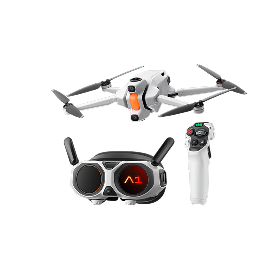
We designed the Antigravity A1 to be as approachable as it is powerful. While we focus on making flight intuitive through FreeMotion controls, we also want to ensure your journey into the sky is legally sound. By taking a few minutes to complete this essential step, you aren't just following rules; you're joining a community of responsible creators. Let's dive into the details of weights, labels, and the simple steps required to get your wings officially recognized.
Who Needs Drone Registration?
The first thing to understand is that the FAA looks at two main factors when deciding if you need to register: how much your craft weighs and why you are flying it. For many of us, the most important figure to remember is the drone weight limit 250g. This specific threshold is the dividing line between needing to register and being able to fly right out of the box for purely recreational purposes.
If you are flying strictly for fun and your aircraft weighs less than this 0.55-pound mark, you are exempt from the federal registration requirement under current recreational drone rules. However, it is essential to be precise with your measurements. If you add accessories—like a larger battery, a heavy lens filter, or a protective cage—that push your total takeoff weight above the drone weight limit 250g, you must register the device immediately before your next flight.
The second factor is the purpose of your flight. If you plan to use your footage for anything that could lead to financial gain, such as a monetized YouTube channel or professional real estate photography, the FAA classifies your flight as commercial. In this case, the drone weight limit 250g no longer offers an exemption. Every drone used for commercial work must be registered, and the pilot must obtain a Part 107 certification.
We designed the drone Antigravity A1 with this regulatory landscape in mind. Its streamlined design is built for high-performance capture while remaining easy for you to manage within these safety frameworks. Even if your drone is lightweight, you must still follow safety guidelines like passing the TRUST safety test and ensuring Remote ID compliance. Registration is simply the formal handshake between you and the FAA, signaling that you are a responsible member of the aviation community.
The Step-by-Step Guide to Completing Your Drone Registration
Once you’ve determined that your aircraft requires documentation, the process is straightforward and can be completed entirely online. The official portal for this task is the FAA DroneZone, the only government-authorized website for registration. We strongly recommend setting aside about fifteen minutes to complete the application from start to finish without distractions.
First, you will need to create a secure account on the FAA DroneZone website. You’ll be asked to choose between "recreational" or "Part 107" commercial registration paths. If you are flying purely for enjoyment, select the recreational flyer dashboard. However, if you plan to earn money or further a business in any capacity, you’ll need the Part 107 dashboard. This choice determines how your registration is managed and how many devices the fee covers.
Before you start the application, gather your drone's specific details. You will need the manufacturer name, the model name, and the unique serial number. For those flying our Antigravity A1, you can find this serial number on the original packaging or tucked within the settings menu of the control app. This number is absolutely critical because it directly links your hardware to your account, ensuring full Remote ID compliance as you move through different flight zones.
After entering your personal and aircraft information, you’ll reach the payment screen. The FAA drone registration cost is currently $5 per drone for commercial users, or $5 for a three-year registration that covers your entire fleet of recreational drones. This small fee goes directly toward managing the safety of the national airspace. Once your payment is processed, you will receive a registration certificate and a unique number.
Your final task is to physically label your drone. The FAA requires your registration number to be clearly visible on the exterior surface of the aircraft. You can use a permanent marker, a label maker, or even an engraved plate. This ensures that if your drone is ever lost or involved in an incident, authorities can quickly identify the owner.
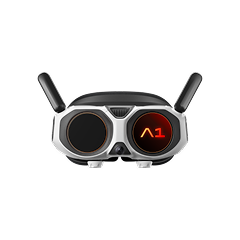
For many new pilots, the first registered flight also marks the first truly immersive experience in the air. Using a clear real-time view helps you maintain safe separation from people and obstacles while you learn situational awareness. Systems like Antigravity Vision Goggles provide a stable, low-latency visual link and comfortable long-session viewing, allowing beginners to focus on safe decision-making rather than struggling to interpret a tiny phone screen. By pairing proper registration with clear visual awareness, you dramatically reduce early-flight risk and build good habits from day one.
Marking Your Drone Registration Number
After receiving your unique registration number from the FAA, you must physically display it on your aircraft before takeoff. This is a non-negotiable federal requirement designed to maintain accountability in our shared airspace. While older rules allowed numbers to be hidden inside battery compartments, current regulations mandate that your registration number must be clearly visible on an exterior surface without using tools to access it. This ensures that authorities or individuals can quickly identify the craft if needed during a lost drone recovery or a safety check.
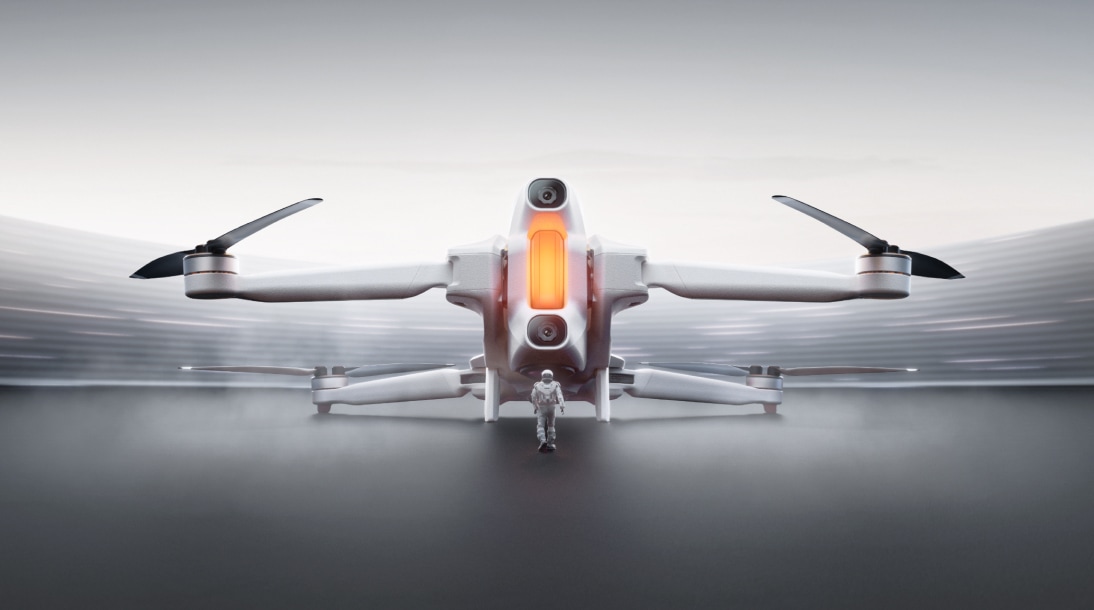
Labeling your drone doesn't require specialized equipment. A permanent marker, a high-quality label maker, or vinyl stickers work perfectly. The number must be legible and durable enough to withstand wind, moisture, and general flight conditions encountered during your missions. We suggest placing the label on a flat, unobstructed part of the airframe where it won't interfere with critical sensors, cooling vents, or the flight path of the propellers. For those using the Antigravity A1, the streamlined design provides ideal locations for a clean, professional-looking label that remains fully compliant without affecting its sleek cinematic profile.
Modern pilots must also navigate the world of Remote ID compliance. Think of Remote ID as a digital license plate; it broadcasts identification and location data while in flight to ensure safety for everyone using the sky. This technology is becoming a standard for all operations, helping the FAA manage the increasing number of aircraft. Most newer models, including our Antigravity A1, are manufactured with built-in Remote ID compliance, meaning the internal hardware meets federal standards automatically without any additional configuration from the pilot.
Because the A1 captures a full 360° environment in a single pass, pilots often need fewer repeated flights to capture the same scene. Fewer takeoffs, fewer reposition attempts, and fewer low-altitude corrections naturally reduce risk exposure and help maintain regulatory compliance. Instead of constantly maneuvering for framing, you can fly once, safely, and compose later — aligning both with safety best practices and modern flight regulations.
Ensuring your drone meets Remote ID compliance is essential for flying in public and uncontrolled airspaces today. If you are flying an older model that lacks this technology, you might be required to attach an external broadcast module to remain legal. However, by choosing modern, integrated systems like the A1, you can skip the hassle of extra hardware and focus entirely on your creative vision.
Renewals and Common Pitfalls
Registration isn’t a one-time event; it is an ongoing commitment to the safety of our skies. Once you have navigated the process of registering a drone for beginners, it is vital to keep your information current. Every FAA registration is valid for a period of three years. After this time, your certificate will expire, and you must return to the FAA DroneZone to renew it.
One of the most common pitfalls we see pilots face is the temptation of unofficial third-party websites. If you search for drone registration online, you may find sites that look official but charge significantly more than the standard $5 FAA drone registration cost. Always ensure you are on a .gov website.
Another frequent oversight is forgetting the expiration date itself. We recommend setting a calendar reminder for 30 days before your three-year mark. Flying with an expired registration is legally the same as flying an unregistered drone.
Finally, remember that your registration is tied to your account and your specific aircraft. If you decide to sell your drone, you must update your status in the FAA DroneZone portal.
FAQ
Is drone registration free?
No, registration is not free, but it is affordable. The FAA drone registration cost is currently five dollars for a three-year period. This applies to both recreational flyers and commercial pilots. Ensure you use the official FAA DroneZone website to avoid being overcharged by third-party services that often add unnecessary processing fees to this standard government charge.
What happens if I fly without registering?
Operating a drone that requires registration without doing so can lead to significant civil and criminal penalties. Fines can reach thousands of dollars, and in extreme cases, regulatory action can be taken against your pilot privileges. Beyond the legal risks, staying compliant with recreational drone rules helps us maintain a safe environment for everyone sharing the sky.
Do I need to take a test even if my drone is light?
Yes. Even if your aircraft falls under the drone weight limit 250g, like many toy drones, all recreational flyers in the United States must pass the TRUST safety test. This is a free, online knowledge assessment that ensures you understand basic recreational drone rules and safety protocols before you take your first flight.
Can I transfer my registration number to another pilot?
No. Registration numbers are tied specifically to the individual pilot for recreational use or to the specific aircraft for commercial use. If you sell your drone, you should cancel its registration in the FAA DroneZone portal so the new owner can register it under their own name. This keeps you in line with current recreational drone rules.
Conclusion
Completing the process of registering a drone for beginners is more than a legal requirement; it’s an invitation to join a growing community of responsible aerial explorers. By taking a few minutes to formalize your status through the FAA DroneZone, you contribute to a safer, more organized sky where innovation and creativity can truly thrive. Completing the process of registering a drone for beginners is more than a legal requirement; it’s an invitation to join a growing community of responsible aerial explorers. By taking a few minutes to formalize your status through the FAA DroneZone, you contribute to a safer, more organized sky where innovation and creativity can truly thrive. Whether you are flying for the sheer joy of the view or capturing professional-grade cinematic content, your compliance ensures that the horizon remains open for all of us to enjoy.
As you prepare for your next flight, take a moment to verify your compliance checklist. Ensure your registration number is clearly labeled on the aircraft's exterior and double-check that your certificate hasn't reached its three-year expiration. While registering a drone for beginners is the first step, you must also confirm you have your TRUST completion certificate on hand under recreational drone rules. For creators looking to push their boundaries, verify your Part 107 certification is current and that your drone hardware meets all Remote ID compliance standards.
We built the Antigravity A1 to simplify the technical hurdles of flight, allowing you to focus on the story you want to tell. By marrying intuitive technology with responsible piloting, you unlock the true potential of the skies. Now that your documentation is in order, there is nothing left to do but power up, look toward the vista, and fly. The world is waiting for your unique perspective—go out and capture it with the confidence that you are flying right and responsibly.
Bereits angemeldet?
Immer die neuesten Berichte und Tipps direkt in deiner Mailbox.

