What Exactly is a VR Drone?
2026/05/22Our answer: The most immersive way to fly.
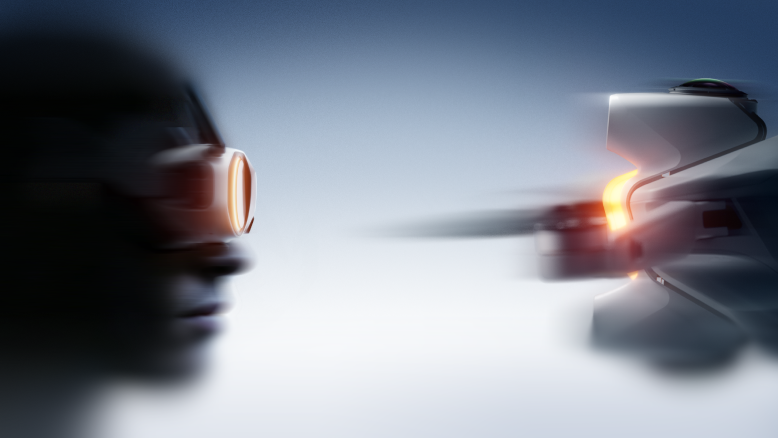
At its core, a VR drone is a seamlessly integrated system that pairs a drone's camera with a virtual reality headset to fundamentally change how you experience flight. Instead of watching a detached, two-dimensional image on a controller screen, you are completely enveloped in the drone's perspective. This is how VR drones work: a live, high-definition, wide-angle video feed is transmitted wirelessly from the drone’s camera directly to the drone with a VR headset. This low-latency stream fills your entire field of vision, tricking your brain into believing you are truly airborne. It’s the profound difference between watching a movie of a rollercoaster and actually feeling the rush from the front seat as the world blurs past you.
A true VR drone system also introduces a revolutionary layer of intuitive interaction: dynamic head tracking. Unlike standard FPV goggles, which give you a static "through-the-camera" view, a VR drone's camera gimbal moves in perfect synchronization with your head movements. When you turn your head to the left, the camera fluidly pans left, allowing you to look around the environment independently of the drone's direction of travel. This natural, one-to-one control creates a powerful and unshakable sense of presence, making you feel as if you are physically sitting inside the drone's cockpit.
How a VR Drone Works
The incredible feeling of presence you get from a VR drone isn’t magic. Each component has a critical role, working together to erase the distance between you and the drone. Understanding how VR drones work is about seeing how these pieces connect to create a single, seamless experience.
First, you have the drone’s camera, which captures a high-resolution, wide-angle view of the world, providing the rich visual data needed for true immersion. The wider field of view is essential for filling the screens in your headset and making you feel like you're in the center of the panoramic scene.
Next, and arguably the most crucial piece, is the low-latency video transmitter. This is the heart of the entire system. It takes the video from the camera and broadcasts it to your headset in near-real time. "Low latency" is the key here. It means there's virtually no perceptible delay between what the drone sees and what you see. Any significant lag would shatter the illusion of flight and make control impossible. This instantaneous connection is what enables a smooth and believable FPV drone experience.
Modern integrated systems are designed specifically to solve this challenge. For example, the Antigravity A1 combines camera, transmission, and headset into a tightly optimized pipeline, minimizing delay and keeping head-tracking movements perfectly synchronized with what you see. The result feels less like operating a device and more like inhabiting the aircraft itself—especially important for FPV beginners who need predictable feedback while learning immersive control.
To fully experience this level of immersion, the headset itself plays a critical role. The Antigravity Vision Goggles enhance the connection between pilot and aircraft by delivering a stable, ultra-low-latency live view through the OmniLink 360 transmission system. Dual micro-OLED displays and a lightweight ergonomic design allow for long sessions without fatigue, while adjustable optics and real-time see-through awareness make the experience both comfortable and intuitive.
Real-World Applications of VR Drone Technology
The thrill of immersive flight is an incredible experience on its own, but it's also a gateway to a host of powerful real-world uses.
For adrenaline seekers, the world of FPV drone racing offers an unparalleled rush. Pilots navigate complex, three-dimensional courses at breathtaking speeds, experiencing every twist and turn as if they were physically in the cockpit. This high-octane sport demands split-second decisions and razor-sharp precision, creating a deeply engaging FPV drone experience that is as much a mental challenge as it is a test of pure reflex.
In the hands of a filmmaker, a VR drone becomes the ultimate cinematic tool. The ability to intuitively look around with natural head movements allows for fluid, dynamic shots that are nearly impossible with traditional drone controls. Instead of struggling with joysticks to approximate a pan, a creator can simply glance at their subject to create a graceful, organic camera movement that feels human and emotionally resonant. This is precisely why we designed the drone camera Antigravity A1 with FreeMotion control. By removing that technical barrier, you can let your creative instincts directly guide the shot.
Beyond entertainment, there are powerful practical VR drone applications. Virtual tours allow visitors to explore remote historical sites or inaccessible natural wonders from anywhere on the globe. In industrial sectors, this technology makes critical inspections safer and more efficient. An engineer can meticulously examine a wind turbine blade or the underside of a massive bridge from the safety of the ground, looking into every potential stress fracture with a simple turn of their head. These are the beginnings of what's possible with a change in perspective.
FAQ
What is the best VR drone for a beginner?
We believe the best starting point is an all-in-one, “Ready-to-Fly” (RTF) kit like the Antigravity A1. These systems are designed to work seamlessly out of the box, removing the technical headaches of pairing a separate drone, controller, and drone with a VR headset. This lets you focus on the joy of the FPV drone experience from day one.
Can I use any VR headset with any drone?
Generally, no. A drone's video transmitter and a VR headset's receiver are specifically designed to work together to ensure a critical, low-latency connection. Mixing brands is typically not possible, which is why integrated kits are the most reliable option for beginners.
How can I avoid motion sickness?
Your brain needs time to adapt to the new sensation. Ease into it. Start with short, 5-minute flights in wide-open spaces. Practice smooth, gentle turns instead of sudden, jerky movements. If you start to feel uneasy, simply land and try again later.
Conclusion
The dream of soaring in the sky like a bird is no longer a distant fantasy; it’s a tangible reality waiting for you to step into the cockpit. With the inclusion of VR technology, drone flight has taken its next step into the future. Turn your head left, and the view turns left; shift your gaze downward, and drink in the canyon's warm sunlit tones drifting by. We've seen how this technology revolutionizes everything from filmmaking to industrial inspections, but equally important is how it changes the way we experience drone flight, guiding our grasp one step closer to the clouds.