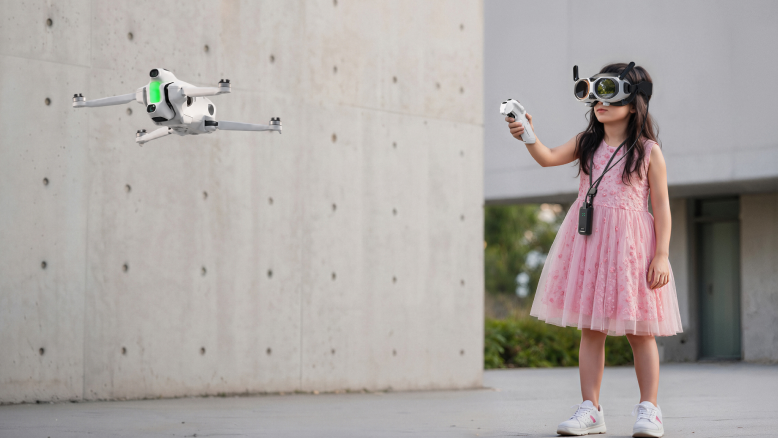
Your Ultimate Guide to the World of Toy Drones
2026/05/22Ever watched a bird soar and wished you could see the world from its perspective? That sense of freedom and exploration is no longer out of reach. Welcome to the exciting world of toy drones, where flight is at your fingertips, ready to turn your living room or backyard into an aerial playground. These compact wonders are more than just playthings; they are the first step into a larger universe of creativity and adventure, making them perfect drones for kids and the young at heart.
In this guide, we'll demystify everything about these amazing gadgets. We’ll explore what separates a toy drone from its larger counterparts, guide you through choosing the perfect model, and cover the essential rules for safe and fun flying. Whether you're wondering, "What truly makes a drone a toy?" or "How can I fly a toy drone safely and legally?", we've got your answers right here.
What Exactly Are Toy Drones? (And What They’re Not)
When you hear the word “drone,” you might picture a large, sophisticated aircraft used for Hollywood films or complex mapping projects. While those exist, the world of toy drones operates on a beautifully simple principle: pure, unadulterated fun. Think of them as the go-karts of the drone world—they’re not designed to win a Formula 1 race, but they’re guaranteed to put a smile on your face and teach you how to handle the track.
So, what’s the real difference? It boils down to a few key areas.
First, purpose and design. Toy drones are built for exploration and skill-building in a low-stakes environment. They are typically smaller, lighter, and crafted from durable materials designed to withstand the inevitable bumps and tumbles of learning. Many come with built-in propeller guards, making them perfect indoor toy drones and a safer choice for kids. Professional drones, on the other hand, are heavier, more fragile, and packed with sensitive equipment.
Second, simplicity is a feature, not a bug. These beginner drones intentionally strip away the complexity. You won’t find advanced GPS positioning, automated flight modes, or long-range video transmission. Instead, they offer a direct, hands-on flying experience that is essential for mastering the basics. Your thumbs are the flight computer, which makes you a better pilot.
Finally, accessibility. The best cheap drones offer an entry point into the world of flight without a significant financial commitment. They provide a space to discover if you have a passion for flying before moving on to more advanced equipment. They aren't tools for professional photography; they are invitations to adventure, designed to get you flying and dreaming within minutes of opening the box. These are fantastic beginner drones for any aspiring pilot.
Key Features to Look for When Choosing Toy Drones
Stepping into the world of toy drones is exciting, but with so many options, how do you choose the right one? It’s not about finding the one with the most features, but the one with the right features for your adventure. Let’s explore the key elements that will make your first flying experience a huge success.
Durability and Safety First:
Let’s be honest—your first few flights will involve some bumps. Look for drones for kids and beginners that are built to last. A sturdy frame and, most importantly, propeller guards are non-negotiable. These guards protect the drone’s blades, your walls, and curious fingers, making them essential for any indoor toy drones.
Battery Life and Flight Time:
Toy drones are sprinters, not marathon runners. You can expect a flight time of around 5-10 minutes per battery. This is plenty of time for a fun session, but the fun doesn’t have to stop there. We highly recommend choosing a model that comes with multiple batteries. This way, you can easily swap them out and keep the adventure going without a long wait.
The Controller:
This is your cockpit. Most beginner drones come with a dedicated physical controller that mimics those of larger models. This is fantastic for building real piloting skills. Some mini drones for beginners use a smartphone app, which is convenient, but a physical remote often provides a more responsive and tactile experience.
Camera:
A built-in camera can add a thrilling new dimension to your flight, offering a first-person view (FPV) as if you were in the pilot’s seat. The quality won’t rival a professional camera drone, but it’s perfect for seeing the world from a new angle and practicing your aerial navigation.
For pilots who discover they love that first-person view, the next step is immersion rather than just recording video. Newer beginner-friendly drone camera Antigravity A1 combine 360° capture with intuitive motion-based control — instead of carefully framing shots while flying, you simply explore and choose your camera angle afterward. This removes the pressure of “flying perfectly” and lets beginners focus on spatial awareness and movement, which is often the hardest skill to learn at the start.
FAQ
Do I need a license for a toy drone?
Great question! For the vast majority of toy drones, you don’t need a license. As long as the drone weighs under 250 grams (about 0.55 lbs) and you're flying purely for fun, you can fly without registering with the FAA. This is what makes these beginner drones so wonderfully accessible—you can focus on the joy of flight.
What is the typical flight time?
Toy drones are built for short, exciting bursts of flight, typically lasting 5 to 10 minutes per battery. This is the perfect amount of time to practice a new maneuver or explore your backyard from a new perspective. Our top tip: always have a few extra fully charged batteries on hand to instantly swap them out and keep the adventure going.
Can I really fly these indoors?
Yes, and we highly encourage it! Flying inside is a fantastic way to master the controls without worrying about wind. The best indoor toy drones are designed specifically for this, often featuring built-in propeller guards that protect your walls, furniture, and the drone itself from accidental bumps. It's the perfect training ground for any aspiring pilot.
Conclusion
The journey from curious observer to confident pilot is shorter and more accessible than you might think. We’ve explored the exciting world of toy drones, from understanding what makes them the perfect starting point to choosing the right features and mastering your very first hover. The most important takeaway is this: these aren't just toys; they are your ticket to a new world of exploration and a fantastic way to develop real piloting skills in a fun, low-risk environment.
Remember the fundamentals we've covered. Prioritize drone safety for kids and new pilots by choosing models with propeller guards, always performing pre-flight checks, and keeping your drone within your line of sight. Embrace the learning curve—every short flight is a lesson, and every controlled landing is a victory. These beginner drones are designed for this exact purpose: to give you the confidence to experiment and grow.