Key Statewide California Drone Laws You Must Know
April 09, 2026
While the FAA sets the rules for the sky — part of the broader drone regulations across America, California has established its own ground rules that are crucial for every pilot to understand. These statewide California drone laws focus on safety, privacy, and respect for public spaces, forming the second layer of your essential legal pre-flight check.
First and foremost is privacy. Under Assembly Bill 856, it’s illegal to use a drone to invade a person's reasonable expectation of privacy by capturing images or recordings on private property without their consent. This is one of the most significant drone privacy laws California has enacted. Your creative pursuits should never make someone feel unsafe or watched in their own home. Always be mindful of your surroundings and who might be in your shot, especially in dense urban areas where backyards and windows are close together.
Another critical regulation, Senate Bill 807, addresses emergencies. This law makes it a serious offense for a drone to interfere with first responders during an emergency, such as a wildfire or a major traffic accident. Flying your drone near these events can dangerously obstruct aerial firefighting efforts or create additional hazards for police and paramedics. As responsible creators, our role is to stay clear, land immediately, and let emergency personnel do their critical work safely and without interruption.
Finally, be aware of restrictions on state-managed lands. Flying drones in California parks is prohibited in most State Parks, State Beaches, and other properties managed by the California Department of Parks and Recreation, unless you have a specific film permit, which can be difficult to obtain for recreational use. Similarly, taking off or landing from a state highway is generally not allowed for safety reasons. Knowing these specific California drone laws before you go ensures your flight is not only legal but also respectful to fellow citizens and the state's protected natural beauty.
Why City and County Ordinances Matter Most
Welcome to the final and most critical layer of drone regulation in California: the complex patchwork of local drone ordinances. While federal and state laws provide a broad framework, it's the city and county rules that will ultimately determine where you can legally take off and land in an urban setting. These local laws are designed to address unique community concerns like noise, safety in crowded areas, and privacy, creating a diverse and sometimes confusing quilt of regulations that can vary dramatically from one city block to the next.
Pre-flight research is non-negotiable. Drone laws can shift dramatically between neighboring jurisdictions. In Los Angeles, strict local rules prohibit flights near crowds and ban launches from city parks/beaches without permits. San Francisco forbids takeoff/landing in all city parks, though FAA-compliant flights over parks are legal if launched outside park boundaries.
These examples highlight why you can never assume the rules are the same everywhere. A quick glance at a location on a map doesn't tell the whole story. As a responsible pilot, the final step before you pack your gear is to always check the municipal code for the specific city or county you plan to fly in.
How to Legally Fly a Drone in a Californian City
Navigating the rules can feel complex, but we're here to simplify it. Following these steps will give you the confidence to explore California's urban skies responsibly.
-
Start with the Big Picture: Check FAA Airspace.
Before you even pack your gear, your first stop should be the FAA's official B4UFLY app. This tool provides real-time maps of controlled airspace, temporary flight restrictions (TFRs), and other critical federal advisories. It’s the definitive source for answering the question, "Can I fly here?" from a federal perspective and is an essential part of following the FAA rules for California.
-
Identify Permanent No-Fly Zones.
Next, be aware of the permanent drone no-fly zones California has in place. These areas are always off-limits for security and safety reasons. This includes National Parks (like Yosemite or Joshua Tree), military bases, major airports, stadiums during events, and critical infrastructure like power plants and prisons.
-
Dig into the Details: Research Local Drone Ordinances.
This is the most important step for urban flying. Open your web browser and search for "[City Name] municipal code drone" or "[County Name] drone ordinance." This will lead you to the specific local laws. You might find rules about flying drones in California parks, time-of-day restrictions, or proximity limits to public buildings. Checking the local drone ordinances is the only way to know if that city park you've scouted is a legal launch site.
-
Be Aware on Arrival.
Finally, when you get to your location, keep your eyes open. Look for posted signs that may indicate temporary or permanent drone restrictions. A local park might have its own specific rules posted at the entrance that aren't easily found online. A quick visual scan is your final green light for a safe and legal flight.
Recommended Gear Tip:
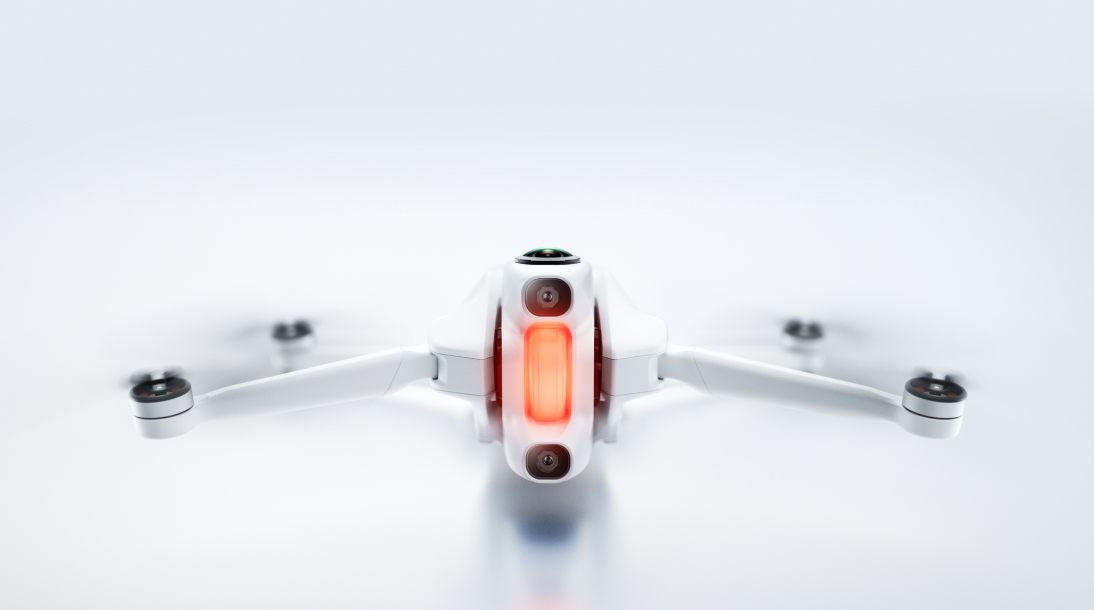
If you frequently fly in urban environments, choosing a drone that simplifies piloting and framing can make a big difference. Systems like the Antigravity A1 are designed so you can focus more on situational awareness and surroundings rather than complex controls — you fly first and decide framing later thanks to 360 capture and intuitive motion-based control. For beginners navigating busy city environments, reducing piloting workload helps you stay safer and more compliant with local rules.
Where You Absolutely CANNOT Fly
Beyond the patchwork of local rules, some areas are always off-limits. These federally mandated drone no-fly zones that California pilots must know are non-negotiable, established for critical national security and public safety. Committing these to memory is a fundamental part of responsible urban flight.
- Near Airports: Urban centers are aviation hubs with controlled airspace protecting airports like LAX and SFO, which also relates to the common pilot question: How High Can a Drone Fly? Flying here without prior authorization through LAANC is strictly prohibited. The B4UFLY app is your essential tool for visualizing these invisible boundaries.
- National Parks and Recreation Areas: All National Parks are off-limits, and this protection extends to urban treasures like the Golden Gate National Recreation Area. Always assume these beautiful, protected lands are absolute drone no-fly zones in California.
- Military Installations: The state is home to numerous military bases. These are strictly forbidden airspace for security reasons and are actively monitored. It is essential to keep a wide berth during your flight planning.
- Over Stadiums and Events: Thinking of capturing a big game? Flying over stadiums during major events is illegal due to Temporary Flight Restrictions (TFRs) put in place to protect the crowds below.
- Emergency Response Scenes: As covered in state law, any area with an active fire, police, or emergency response is an immediate no-fly zone. Your presence can severely hinder life-saving operations and endanger first responders.
Knowing these restrictions simplifies your planning. If your flight path crosses one of these zones, the answer is always no.
FAQ
Can I fly a drone over private property in California?
The FAA governs airspace, but California's drone privacy laws are key. You cannot record people where they have a reasonable expectation of privacy, like a backyard. Always fly respectfully and prioritize privacy.
Do I need a permit to fly my drone in a city park?
This is a local decision. Some cities ban flying drones in California parks, while others may require a permit. There is no single state rule; you must check the specific city’s park regulations before you fly.
What are the penalties if I violate local drone laws?
Penalties vary widely by city and can include significant fines or even misdemeanor charges for serious offenses. Your best defense is always thorough pre-flight research into local drone ordinances.
Conclusion
So, can you fly a drone in California's urban landscapes? The answer is a resounding yes, but it’s a journey that requires curiosity and preparation. As we've seen, your freedom to fly is built on a three-tiered foundation of rules: the FAA's federal airspace authority, California’s statewide privacy and safety laws, and the all-important local city and county ordinances that govern the very ground you stand on.
Ultimately, becoming a confident urban drone pilot means becoming a diligent researcher. The most creative shots are born from the safest flights. Do your homework, fly with awareness, and show the world a perspective of California's cities that only you can capture. The sky is waiting.
Are you on the list?
Subscribe to receive top stories, tips and news right in your inbox.

