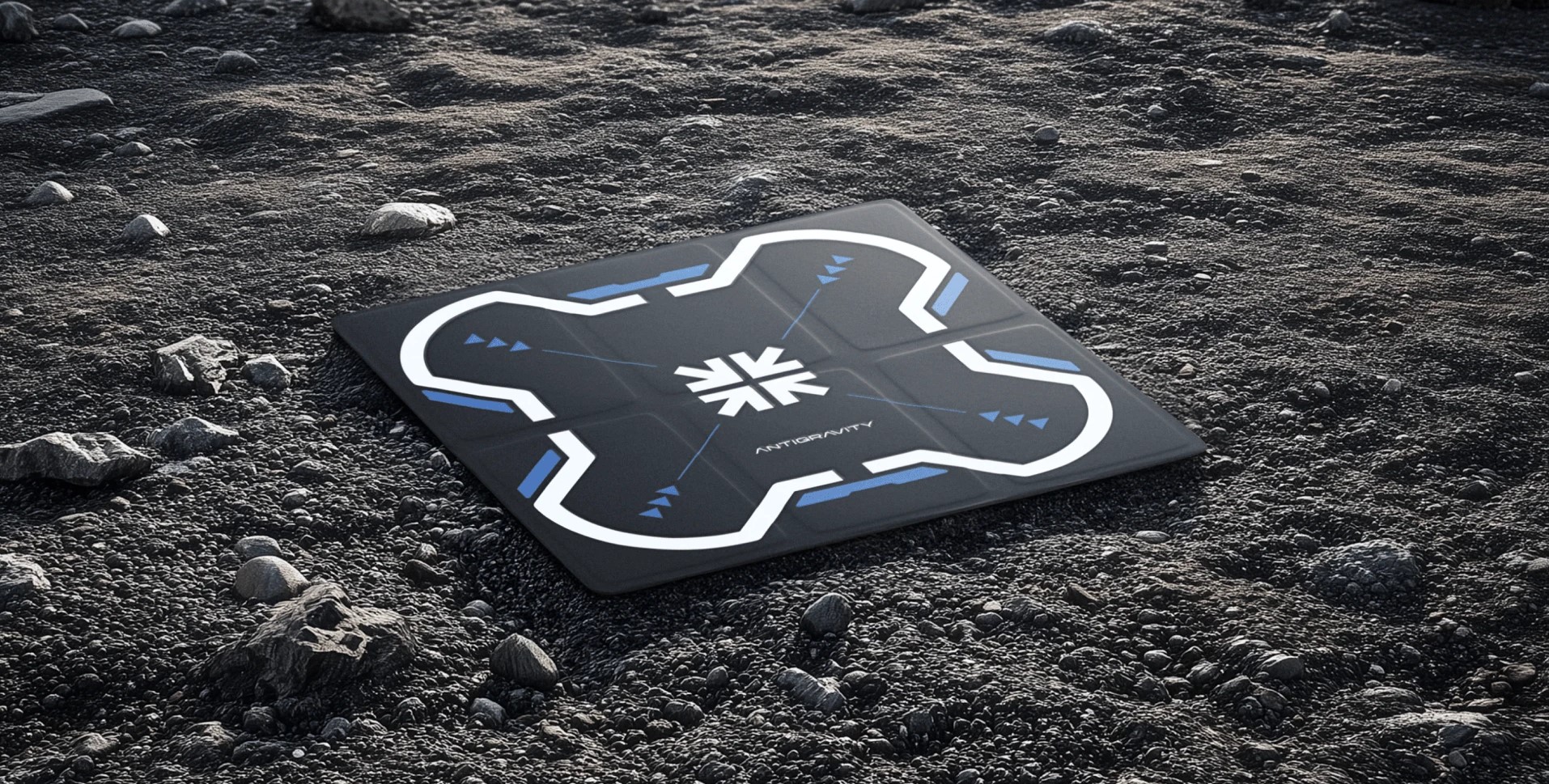
Choosing the Right Landing Pad for Your Drone
2026/10/31A great drone flight deserves a great landing, but if you spend a lot of time doing outdoor filming, you know that one thing nature doesn't always provide is a suitable welcome mat. Sand, dust, and grass can turn takeoff and touchdown into a messy affair. A landing pad gives your drone a clean, level place to land, then folds up and tags along with your gear. Here's how to find one that's ready for your drone and your next adventure.
What Does a Drone Landing Pad Do?
Placed on suitable ground, a pad creates a barrier between your drone and the surface below. It can help reduce the loose dirt and debris stirred up by prop wash and give you a visible target when you bring the drone back. That's especially useful for drones with cameras or other components close to the ground.
Choose firm, level ground and remove stones or sticks before unfolding the pad. A thin mat follows the terrain underneath, so check the spot itself as well as the surface you're adding. The examples below show how to prepare common launch locations.
Launch Location | How to Prepare |
Sand or dusty trails | Choose a firm spot away from loose piles of sand or dirt. Lay the pad flat before placing your drone. |
Short grass | Check for hidden stones, sticks, or uneven patches. Make sure grass doesn't reach the propellers. |
Gravel or rocky ground | Find a clear, level area rather than stretching a thin mat over protruding stones. |
Travel stops | Check that the launch area is suitable and that you can secure and retrieve the pad before unpacking the drone. |
What to Look for in a Drone Landing Pad
When you compare drone landing pads, start with fit and day-to-day handling. A useful design gives your drone enough space, lies flat when deployed, and is easy to carry and clean. Recognition compatibility matters too if you want to use a model-specific landing feature.
Size: Match the Pad to Your drone
Check the manufacturer's size guidance and compare the unfolded area with your drone's landing footprint and propeller clearance. Leave room around the drone so its propellers don't catch an edge or nearby grass. If a listing gives only one measurement, confirm whether it refers to a side, diameter, or diagonal before comparing it with another product.
A larger surface gives you more room to aim, but it also takes up more space in your bag and at the launch site. Choose a size you can place securely on the terrain you normally use.
Materials, Flatness, and Cleaning
Check the surface, seams, and edge construction. The pad should lie flat when you unfold it, with no raised corners or distorted sections. Look for clear cleaning instructions and a material that suits the locations you visit, whether that’s a dusty trail or a grassy field.
For sandy or muddy locations, an easy-to-wipe surface makes packing up simpler. Check whether the material tolerates damp ground and how it should dry before storage. Check the local weather forecast and plan flights around the drone’s weather limits separately from the pad’s care requirements.
Portability and Folding Design
A portable drone landing pad should fit the way you travel. Compare its packed dimensions and weight with the space available alongside batteries, propellers, and other essential drone accessories. If you walk between launch points, a compact design is often more useful than an oversized pad that stays at home.
Check how a folding drone landing pad closes before buying it. Creased panels and flexible wire frames may need different handling. You should be able to unfold it, lay it flat, and secure it before starting the flight, then pack it away without forcing the material or frame.
Visual Recognition and Compatibility
A contrasting pattern helps you spot the landing area. Automatic recognition depends on the drone supporting that specific pad design, so check the manufacturer's compatibility information. A general-purpose mat can still provide a useful landing surface without this feature.
How the A1 Landing Pad Fits Your Setup
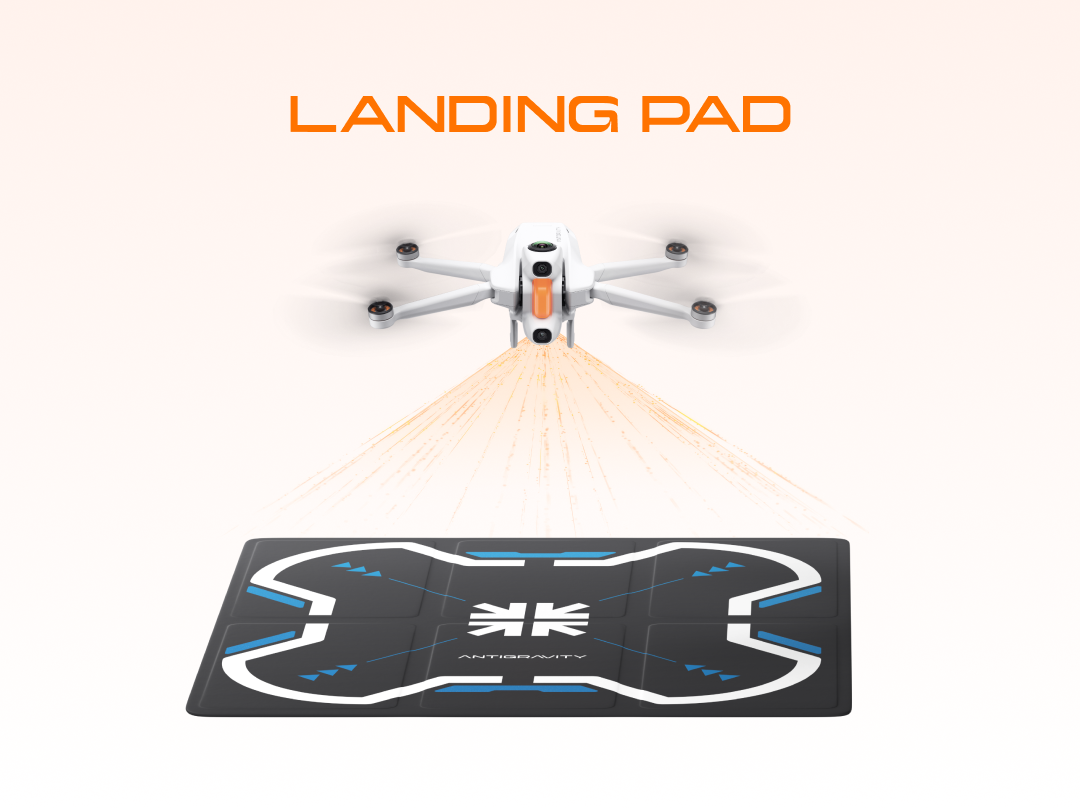
If you fly the Antigravity A1, the A1 Landing Pad pairs a defined landing surface with automatic recognition. Its dual-sided design and quick deployment make it straightforward to prepare a launch area. Here's what each feature offers.
Feature | Product Detail | What It Means for You |
A1 Compatibility | Designed specifically for the Antigravity A1. | A model-specific choice for your A1 landing setup. |
Automatic Recognition | The A1 automatically recognizes the pad to support fast, precise landings. | Keep the marker visible during the drone's landing approach. |
Dual-Sided Design | A landing surface you can use on either side. | Provides a defined area between the drone and the ground. |
Quick Deployment | The pad opens quickly for use at your chosen launch site. | Unfold and position it while preparing your equipment before takeoff. |
If you're choosing the best travel drone for your trips, compare the complete kit, including its landing equipment. Allow space for the pad alongside the drone, controller, and batteries so it's easy to reach when you arrive at your launch spot.
How to Set Up and Care for Your Pad
Once you've chosen a landing pad for your drone, build its setup into your pre-flight checks. A few checks before takeoff and a little care afterward help keep it ready for your next outing.
Place and Secure It Before Takeoff
Unfold the pad fully on a clear, level surface. Check that its edges stay flat and use the manufacturer's intended fixing method where provided. Keep any fixings outside the propellers' operating area. If the pad shifts in wind or prop wash, choose a more suitable setup rather than relying on its weight alone.
Keep the Landing Area Clear
Wipe away dirt that covers the pattern and remove loose objects from the area. Before descending, check that the pad hasn't shifted and that people and pets remain clear. If you use a supported recognition feature, keep the marker visible and follow the drone's landing procedure.
Clean, Fold, and Store It
After the flight, clear loose dirt from the surface and follow the cleaning guidance. Fold the pad using its intended method, then store it without forcing the frame or crushing it beneath heavy equipment. Before your next outing, check for curled edges, tears, or damage that could stop it lying flat.
Conclusion
Choose a drone landing pad that fits your drone, stays flat, and suits the way you pack and fly. Once you've found a setup you like, keep it with your regular kit so it's ready for the next trail stop, outdoor shoot, or weekend outing.
FAQ
Does a Drone Need a Landing Pad?
Not always. On clean, flat pavement, you may already have a suitable surface. A pad is useful when loose sand, dust, or short grass would otherwise sit directly beneath your drone. Check the site and your drone's ground clearance first, then decide whether carrying a pad would make that particular setup easier.
What Is the Best Landing Pad for Your Drone?
The best choice fits your drone and the places you fly. Compare unfolded size, packed dimensions, material, and fixing options. For travel, a portable drone landing pad is easier to carry between sites. If you want automatic recognition, check that the manufacturer supports that feature with your specific drone and pad combination.
Can You Make a DIY Landing Pad?
You can make a basic surface from a flat, rigid board sized for your drone. Check for loose edges, splinters, and anything that could reach the propellers, then place it securely on level ground. If you need a model-specific recognition feature, choose an accessory your drone manufacturer supports rather than relying on a homemade marker.