Best Travel Drone for Hiking, Vacations, and Outdoor Adventures in 2026
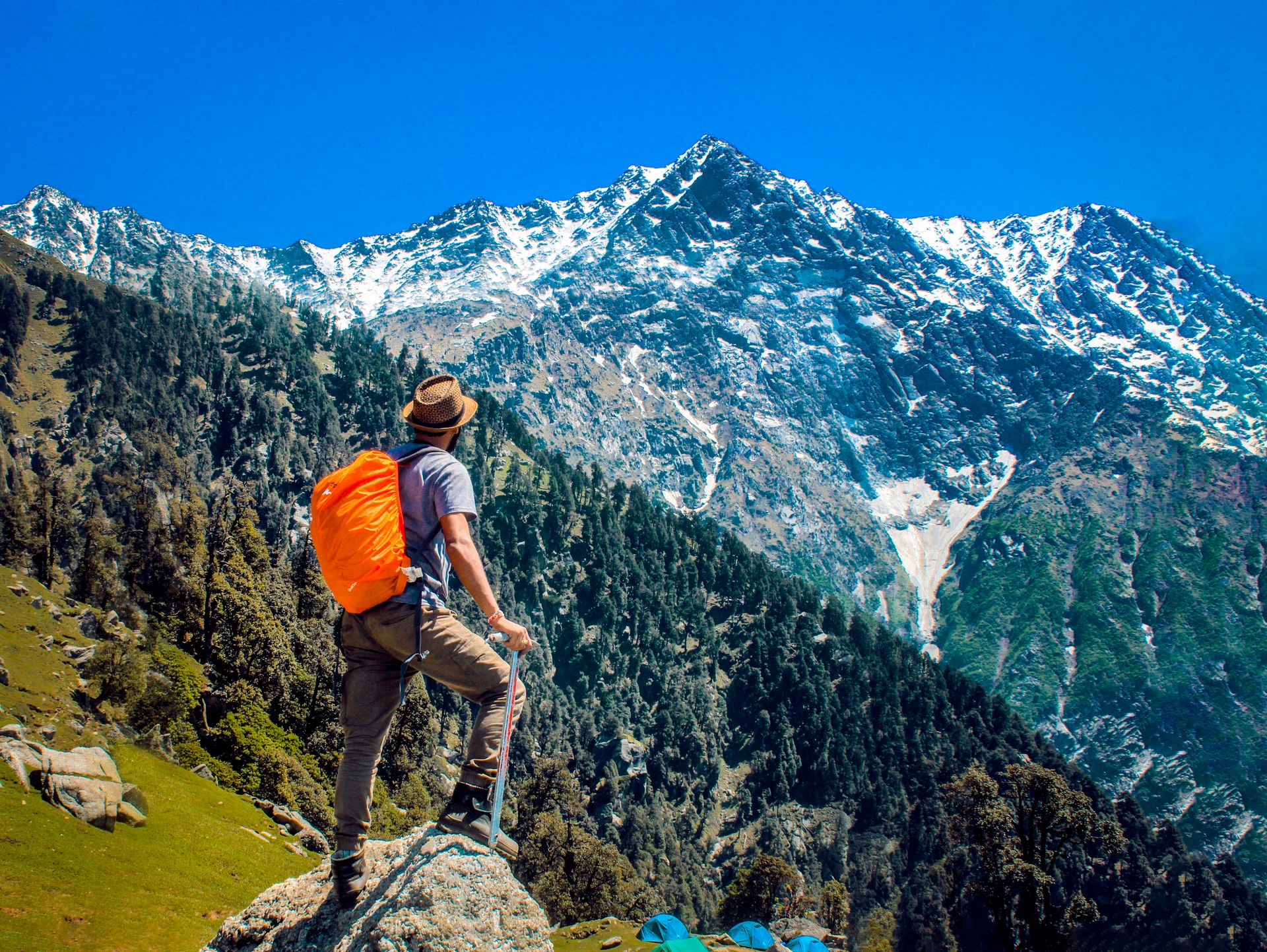
2026/09/30Whether you're hiking to a mountain overlook, pulling off a coastal road at sunset, or setting out on vacation, the best travel drone should be light enough to carry easily, quick to get in the air, and flexible enough to capture the moment from more than one angle. Antigravity A1 combines a 249g design with 8K 360 capture, letting you record the scene around you first and refine the framing after the flight, so a single flight can give you perspectives you might otherwise miss.
What Makes a Good Travel Drone?
The best travel drone should balance size, weight, image quality, flight time, controls, and stability. Before you choose one, ask yourself a few practical questions:
Ask Yourself | Why It Matters |
Where are you going? | Drone rules, weather, and terrain vary from one destination to another. |
How much gear do you want to carry? | A lightweight drone does not always mean a lightweight full setup. |
How will you charge it? | Charging access can affect how many times you fly in a day. |
What do you want to shoot? | Landscapes, vacation clips, and video projects call for different levels of image quality and framing flexibility. |
Packability and Total Kit Size
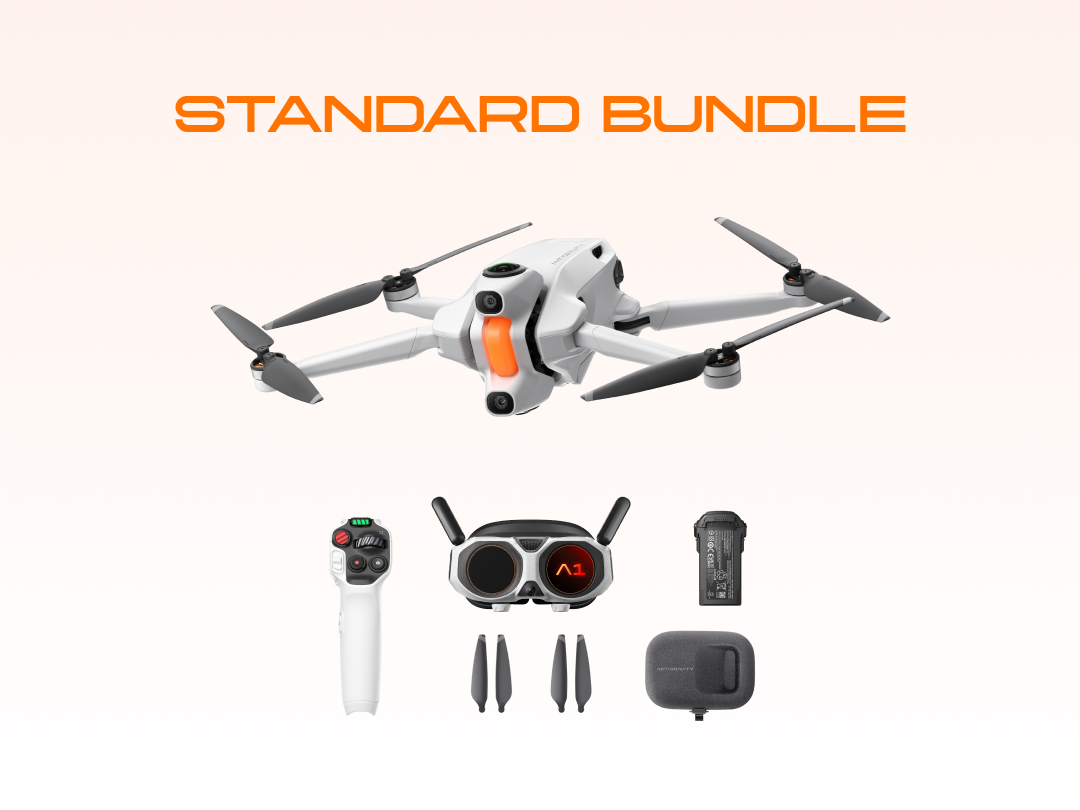
Don't judge portability by the folded drone alone. Factor in the controller, batteries, charging gear, and goggles if the setup requires them. For travel, the full kit should fit comfortably in a backpack or carry-on without taking over your luggage.
Weight and Takeoff Configuration
Weight affects both portability and flight requirements. In the U.S., drone weight and registration rules make 250 grams an important threshold, while other countries follow different requirements. Larger batteries and added accessories can also increase takeoff weight and change which regulations apply.
Image Quality and Shooting Flexibility
Travel moments can disappear quickly. Beyond resolution, look at stabilization, field of view, and framing options. Cameras that can film in 360 reduce the need for repeat flights and help you get several useful perspectives you didn't even know were there.
Flight Time and Charging
When choosing a drone for travel, maximum flight time tells only part of the story. Spare batteries, charging speed, and portable charging options also shape how many flights you can fit into a full day.
Controls and Setup Speed
When the light changes, clouds move, or you stop at a scenic overlook, a fast setup matters more than complicated controls. Intuitive controls also make it easier to get comfortable again when you only fly on vacations or occasional trips.
Flight Stability and Travel Conditions
Coastal winds, high-altitude terrain, and winter temperatures can all affect flight performance. Treat wind resistance, operating temperature, and altitude limits as guides to your safety margin, not targets to push during everyday flights.
Why Antigravity A1 Works as a Compact Drone for Travel
When you travel, every piece of gear takes up space, and every flight takes time from your itinerary. Whether you're hiking to a mountain viewpoint, pulling off a coastal road at sunset, or packing for a vacation, Antigravity A1 bundles helps you carry less and bring home more usable footage from each flight. A1 is lightweight and combines 360 capture, intuitive controls, and flexible battery options, making it a practical drone for travel across a wide range of trips.
249g for a Lighter Travel Setup
If you spend hours on a trail or travel with one bag, every ounce matters. With the standard Flight Battery, the Antigravity A1 weighs 249g, so you can add aerial filming to your itinerary without weighing yourself down. That makes it especially useful when you want a drone for hiking, day trips, or destinations where you'll spend much of the day on foot.
Capture in 8K 360 and Reframe Later
A mountain ridge, winding coastline, or roadside stop may give you only one good chance to fly. A1 captures the scene around you in 8K 360, so you do not have to commit to one camera direction while you're in the air. After landing, you can reframe the same footage into forward, side, backward, or top-down views and choose the composition that works best, giving you more usable perspectives from a single flight without launching again for another angle.
FreeMotion for More Intuitive Flight Control
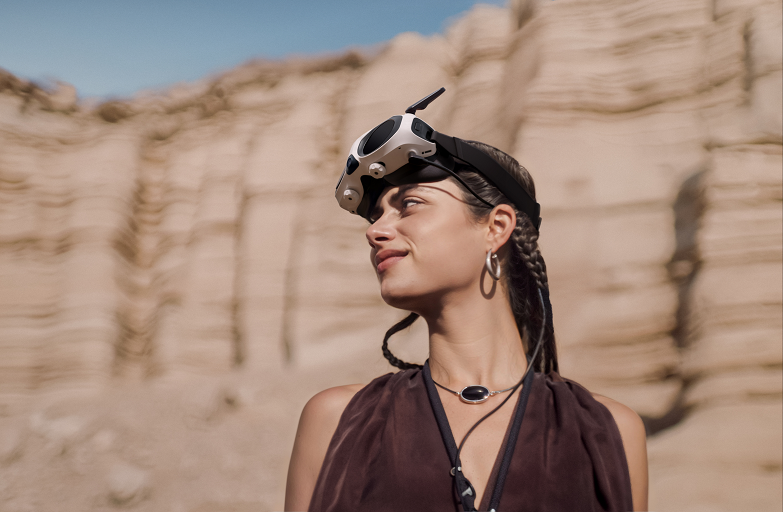
If weeks or months pass between trips, you may not want to spend the first few minutes at a scenic overlook relearning complex stick controls. FreeMotion lets you point the Grip Motion Controller in the direction you want to travel and pull the trigger to fly there. That more direct control style helps you get into the air faster and focus on the view, which can matter when you want the best drone for vacation use without a steep learning curve.
Choose the Right Battery Setup for Your Trip
Different trips call for different tradeoffs between weight and time in the air. Choose the setup that better matches how far you plan to carry your gear and how often you expect to recharge.
Battery Setup | Takeoff Weight | Max Flight Time | Best For |
Standard Flight Battery | 8.8 oz (249 g) | Up to 24 min | Hiking, day trips, lighter packing |
High-Capacity Flight Battery | 10.3 oz (291 g) | Up to 39 min | Longer outings and fewer charging opportunities |
The standard battery keeps your drone lighter, while the high-capacity option gives you more time in the air when charging opportunities run short. Because the larger battery raises A1 above 250g, check the weight, registration, and flight rules that apply at your destination before takeoff.
How to Choose a Travel Drone for Different Trips?
The right travel drone depends on where you are going, how you plan to carry your gear, and what you want to capture. A lightweight setup can make a big difference on long hikes, while quick setup, charging flexibility, or local flight rules may matter more for city trips and road travel.
Trip Type | Main Challenge | What to Prioritize |
Hiking and Backpacking | Long distances and limited charging | Lightweight setup, stable flight, efficient battery planning |
City Break | Tight spaces and local restrictions | Compact design, quick setup, awareness of flight rules |
Coastal Travel | Wind and changing weather | Flight stability, wind resistance, gear protection |
Road Trip | Frequent stops and changing locations | Fast setup, flexible charging, versatile shooting options |
Outdoor Adventure | Changing terrain and conditions | Stable flight, durable setup, flexible framing |
International Travel | Airline limits and different regulations | Carry-on planning, battery rules, destination requirements |
Can You Take a Travel Drone on a Plane?
Yes, but battery and airline rules are important when traveling with a drone. Spare lithium batteries should usually stay in your carry-on luggage with protected terminals to reduce the risk of short circuits. If you plan to place the drone itself in checked baggage, power it off completely, protect it from damage, and confirm your airline's requirements before departure.
Item | Carry-on | Checked Bag |
Drone | Pack it here when possible | Check whether your airline allows it, then power it off and protect it properly |
Spare Batteries | Keep them here and protect the terminals | Do not pack spare batteries here |
Controller and Goggles | Pack them here when possible | Check battery type and airline requirements first |
Charger and Cables | Pack them with your travel gear | Follow airline baggage rules if needed |
Protect spare batteries with their original packaging, a battery case, or terminal covers, and check your airline's watt-hour limits and quantity restrictions before traveling.
What Drone Rules Should Travelers Check Before Flying?
Before you fly at a new destination, check these five areas so local rules do not disrupt your plans:
Registration Requirements: Check whether you need drone registration, an operator ID, or a competency test before you fly.
Airspace Restrictions: Review airport zones, altitude limits, restricted airspace, and visual-line-of-sight requirements.
Privacy and Property Rules: Check local restrictions before you film people, fly near private property, or operate around protected areas.
Launch and Landing Rules: Some locations may let you fly overhead while still limiting where you can take off or land.
Destination-Specific Rules: Review national, state, local, park, or site-specific requirements shortly before your trip because drone regulations can change.
Conclusion
When you travel, every piece of gear takes up space, and every flight takes time from your itinerary. If you're looking for the best travel drone for your needs, Antigravity A1 brings together a lightweight drone, 360 capture, intuitive controls, and flexible battery options to help you carry less and get more from each flight.
FAQ
What Is the Best Travel Drone?
The best travel drone is one you'll actually want to bring with you. It should be easy to carry, quick to set up, and flexible enough to capture different types of trips. Antigravity A1 combines a lightweight design with 8K 360 capture and post-flight reframing, giving you more options when you only have one chance to fly.
What Should I Look for in a Compact Drone for Travel?
When you choose a compact drone for travel, make sure the full setup still feels easy to carry once you add the controller, batteries, and charger. Beyond size and weight, pay attention to flight time, how quickly you can get it in the air, and how well it handles changing conditions. That way, you can keep your kit manageable without giving up the performance you need when it's time to shoot.
What Is the Best Drone for Hiking?
When you choose a drone for hiking, focus on how it handles long days on the trail and changing outdoor conditions. You'll want something light enough to carry for miles, with stable flight in wind and reliable performance in cold or higher elevations. That way, you can reach the viewpoint without your drone becoming the heaviest part of the hike.
Is a Drone Worth Bringing on Vacation?
Whether a drone is worth bringing depends on where you're going and the kind of footage you want to capture. Coastal drives, mountain stops, and wide-open landscapes can give you aerial views you simply can't get from the ground and help you capture more of the places you visit. Before your trip, check out our drone videography guide, which can help you think through the types of shots you want to create and how to plan your flights. If your plans focus mostly on city sightseeing or indoor activities, you may not get many chances to fly.
Is a 360 Camera Useful on a Travel Drone?
Yes. A 360 camera gives you more from each flight because you don't have to lock in one view while you're in the air. From the same footage, you can pull a forward view of the trail, a side view of the coastline, or a top-down shot of the landscape after you land. That matters when you only have one good chance to fly and don't want to launch again just for another angle.