After Dark: How to Fly Drones at Night
April 02, 2026
Flying drones at night opens up a whole new perspective on the world. City lights, glowing skylines, and dramatic shadows transform ordinary flights into visually stunning masterpieces. But at night, the shiniest light in the sky is also noticeably absent, bringing added challenges, from reduced visibility to stricter safety considerations and legal requirements.
In this blog, we’ll cover the basics of flying drones at night, including how to prepare, what rules to follow, and the tips that can help you fly safely and confidently after dark. Whether you’re looking to capture cinematic footage or just want to expand your skills, understanding the essentials of night flying is the first step.
Is it Legal to Fly at Night?
It depends on the country, but the answer for the most part is a resounding "yes"! In this guide, we'll be focusing on the United States and the EU.
Requirements in the US (FAA)
Flying at night in the United States now boils down to two straightforward requirements: updating your knowledge and equipping your drone properly.
The FAA has integrated night operations into the free online recurrent training. If you've recently passed your test or completed the latest training module, you have already met this requirement. This ensures every pilot understands the unique challenges of low-light drone flying, such as how darkness can affect depth perception and visual orientation.
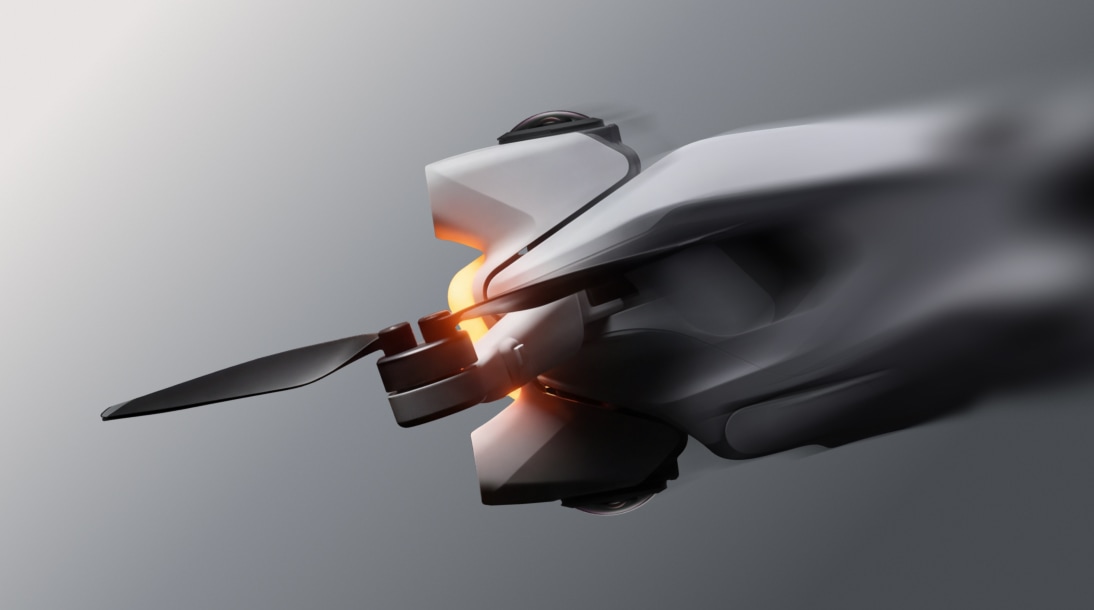
Second, your drone must be properly equipped. You must have anti-collision lighting mounted on your drone that is visible from at least three statute miles away and has a flash rate sufficient to avoid a collision. These types of lights come standard on Antigravity A1, meaning it's ready to fly right out of the box, and are also available for installation on many drone models.
Requirements in the EU (EASA)
In many EU countries, EASA permits flying at night under the open category (A1/A3). Please be aware that not all countries allow night flights, so check local regulations before flying. For the countries that do allow night flight, drones should be equipped with flashing green lights and must stay within visual line-of-sight. As above, Antigravity A1 comes standard with this type of light.
Essential Gear for Drones Flying at Night
Venturing into the dark with your drone requires more than just courage; it demands the right equipment. While your daytime kit is a great start, a few key additions are essential for safe night flights.
In the dark, it can be incredibly difficult to judge your drone’s position relative to the ground, and finding a clean, flat surface for landing is a challenge. A lighted landing pad provides a brilliant, clear target, guiding you in for a perfect landing every time. It keeps your camera and gimbal out of wet grass or debris, protecting your investment and ensuring a smooth end to your flight.
You also need to clearly perceive what your drone sees. Traditional line-of-sight becomes unreliable in darkness, and judging distance on a phone screen can be difficult. Many pilots now rely on immersive viewing systems like the Antigravity Vision Goggles, which provide a bright, stabilized real-time aerial perspective that helps you understand depth and orientation far more naturally than a small display. Instead of guessing where the drone is in the dark, you experience the environment from the aircraft’s point of view, dramatically improving situational awareness during night operations.
Finally, think about power and personal visibility. Night flying often means longer hover times as you dial in those perfect settings. Colder night air can also reduce battery performance, so packing additional batteries will keep you flying smoothly. You also need to see your own gear, so a headlamp, ideally with a red-light mode to preserve your night vision, is a game-changer.
Pre-Flight Checklist
A successful night flight begins long before the sun sets. The darkness hides a multitude of hazards that are easily visible during the day, making meticulous preparation your most powerful tool. Forgetting a single step can lead to disaster, so we treat this checklist as a non-negotiable ritual before sending our drones into the dark. It's the foundation of safe drone operation at night.
-
Scout Your Location in Daylight
This is the golden rule of night flying. Arrive at your location with at least an hour of daylight to spare. Walk the entire area you plan to fly and look for obstacles that will become completely invisible after dusk. Pay special attention to thin hazards like power lines, guy-wires, and bare tree branches. Make a mental map of these no-fly zones and identify a safe, clear area for takeoff and landing.
-
Set a Safe Return-to-Home (RTH) Altitude
Before every single flight, verify your RTH settings in your app. The RTH altitude should be set significantly higher than the tallest obstacle you identified during your daylight survey. If your drone ever loses connection, this setting is what tells it to climb to a safe height before it starts flying back to you, ensuring it clears any unseen trees or buildings along the way. This is your most critical automated safety net.
-
Confirm a Strong GPS Lock
Your drone’s visual positioning sensors struggle in low light, making it almost entirely dependent on GPS for stability and navigation. Never take off until your controller confirms a strong satellite lock. This ensures your home point is recorded with precision and that your drone can hold its position accurately.
-
Final Gear and Battery Check
Ensure all batteries are fully charged. Colder night air can reduce their efficiency. Power everything on, confirm your drone's anti-collision lights are securely mounted, and check that their strobing is bright and clear. This is your final confirmation that you are both legally compliant and prepared for a successful flight.
Techniques for Safe Piloting
Once your drone is airborne, you'll quickly realize that piloting in the dark is a completely different sensory experience. The world looks flat, and your sense of distance can be misleading. Mastering these new conditions is all about adopting a calm, deliberate approach. Following these techniques is the key to understanding how to fly a drone at night safely and creatively.
First and foremost, altitude is your best friend. Since your daylight survey can’t reveal every single thin branch or wire, flying at a higher altitude than you normally would provides a crucial buffer against unseen obstacles. We recommend starting your shots from a high vantage point and descending carefully only when you have a clear, well-lit subject.
Combine this with slow, methodical flight. Night photography and videography reward smooth, graceful camera movements. There's no need for aggressive maneuvers or high speed. By making gentle inputs on the control sticks, you not only capture more cinematic, professional-looking footage but also give yourself maximum time to react. This patient approach is fundamental to safe drone operation at night.
For beginners, especially, controlling precise movement while watching a small screen can be the hardest part of night flying. Drones like Antigravity A1 reduce that workload by using intuitive FreeMotion control, allowing the drone to follow your intended direction rather than relying purely on manual stick precision. Instead of overcorrecting in the dark, pilots can focus on framing and storytelling while the aircraft maintains smooth spatial movement, significantly lowering the risk of sudden disorientation at night.
Maintaining orientation is also critical. Your drone's standard navigation lights (usually red and green) are essential for this. They help you instantly understand which way the drone is facing, which is vital for maintaining a visual line of sight. If you see the green light on the right and red on the left, it's flying away from you.
Finally, be aware of visual illusions. In near-total darkness, a single point of light can appear to move erratically, an illusion known as autokinesis. If you feel disoriented, always trust your instruments. Your controller's on-screen display provides the real-time data you need. Trust your telemetry, fly with intention, and you'll find low-light drone flying to be one of the most rewarding creative frontiers to explore.
FAQ
What do drones flying at night look like?
To someone on the ground, a legally equipped drone looks like a bright, pulsing star moving with deliberate speed. The required drone anti-collision lights flash distinctly, making it easy to differentiate from an airplane's more consistent lights. This powerful strobe is designed to be unmistakable, ensuring your drone is clearly visible to other pilots and observers.
Can I use a drone with night vision?
While specialized drones with thermal or true night vision cameras exist, they are typically for industrial or public safety operations. For creative night drone photography, you need a drone with a high-quality camera sensor that excels at capturing clean images in low light. The goal isn't seeing in total darkness, but artistically capturing the ambient beauty of city lights and starry skies.
Do I need a visual observer (VO)?
A visual observer is not legally required under the FAA or EASA rules for night drone flight. However, we highly recommend using one, especially when you are new to flying after dark. A VO acts as a second set of eyes, dedicated to scanning the sky for other air traffic and helping you maintain situational awareness. This frees you up to focus completely on framing your perfect shot. It's a best practice for safe drone operation at night.
Conclusion
Flying in the shadows is a different beast compared to soaring with the sun, but with the right approach, it’s yours to explore. Remember the core steps: complete the required training, equip your drone with the proper anti-collision lights, and always scout your location in daylight to see what the darkness will hide. When you’re in the air, fly with slow, deliberate control. Take things slowly and steadily get used to your new environment. Mastering these nighttime skills will build confidence and open up a whole new canvas just waiting for your unique perspective.
구독하고 계신가요?
구독하면 인기 스토리, 팁, 뉴스를 이메일로 만나볼 수 있습니다.

