
The Ultimate Robotic Sport: FPV Racing
April 09, 2026
Imagine a sport that blends the heart-pounding adrenaline of a Formula 1 race with the three-dimensional freedom of flight. This isn't a video game; it is the electrifying reality of FPV racing, where pilot skill, split-second decisions, and lightning-fast reflexes are everything. It’s a pure test of control, a high-speed dance between human and machine that’s as thrilling to watch as it is to fly.
In this comprehensive guide, we'll be your trackside crew, breaking down everything about FPV drone racing for beginners. We will explore what this high-octane sport entails, detail the essential gear you’ll need to build your first FPV racing drone kit, and provide a clear, step-by-step roadmap to your first competition.
What is FPV Racing?
At its heart, FPV racing is a high-speed motorsport where pilots compete to fly their custom-built drones through a three-dimensional racecourse as fast as possible. The "FPV" (First-Person View) is the key that unlocks this entire experience. As a pilot, you wear a pair of goggles that display a live, low-latency video feed directly from a camera on the front of your drone, putting you right in the driver's seat. This immersive perspective is the defining element of what is FPV drones are, transforming it from a remote-controlled hobby into a true robotic sport.
The objective is simple: navigate a pre-defined track and complete the laps faster than your competitors. Completing it is not. Heats of pilots often race simultaneously, adding the challenge of avoiding mid-air collisions while pushing for the perfect racing line.
The Anatomy of an FPV Racing Drone
An FPV racing drone isn't a single device, but a high-performance machine built from a collection of specialized FPV racing parts, each chosen for maximum speed, agility, and durability.
First is the frame, the drone's skeleton. Typically made from ultra-strong and lightweight carbon fiber, its job is to protect the sensitive electronics inside while providing a rigid platform for the motors. Race frames are often designed in an X configuration for balanced handling and sharp cornering. In a race, crashes are inevitable, so a durable frame is your first line of defense against race-ending damage.
The powerhouse of the drone is its four Motors and Propellers. These are the engines, generating the immense thrust needed for explosive acceleration out of the gate and powerful punch-outs to clear obstacles. Paired with aggressive, multi-bladed propellers, they translate electrical power into raw, blistering speed.
At the center of it all is the Flight Controller (FC) and the Electronic Speed Controllers (ESCs). This is the drone's central nervous system. The FC is the brain; it takes the commands you send from your radio controller, processes them with advanced software, and tells the ESCs precisely what to do. The ESCs then act as the muscles, delivering the exact amount of power required to each motor, making instantaneous adjustments thousands of times per second to maintain stability and control at high speed.
Finally, there's the FPV System, which gives you the pilot's-eye view. This consists of a small, lightweight FPV Camera and a powerful Video Transmitter (VTX) that sends the live video feed directly to your goggles with minimal delay. This near-instantaneous connection is your window into the race, making the entire immersive experience possible.
Essential Gear for FPV Racing
While the drone is the star of the show, it’s only one part of a complete FPV racing drone kit. To truly step into the pilot's seat, you need a set of essential ground-based equipment that acts as your command center, your cockpit view, and your fuel supply. Understanding this gear is a key step for any FPV drone racing for beginners.
First and foremost is your Radio Transmitter. This is your direct connection to the drone, translating your thumb movements into precise commands for throttle, yaw, pitch, and roll. Think of it as the steering wheel and pedals of your race car. A quality transmitter is a critical long-term investment, as it’s the one piece of equipment you’ll use for both simulator practice and real-world flying.
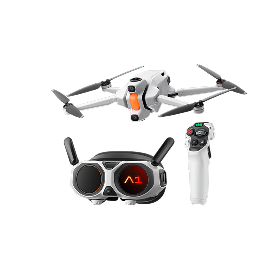
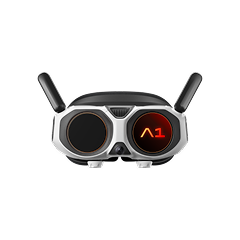
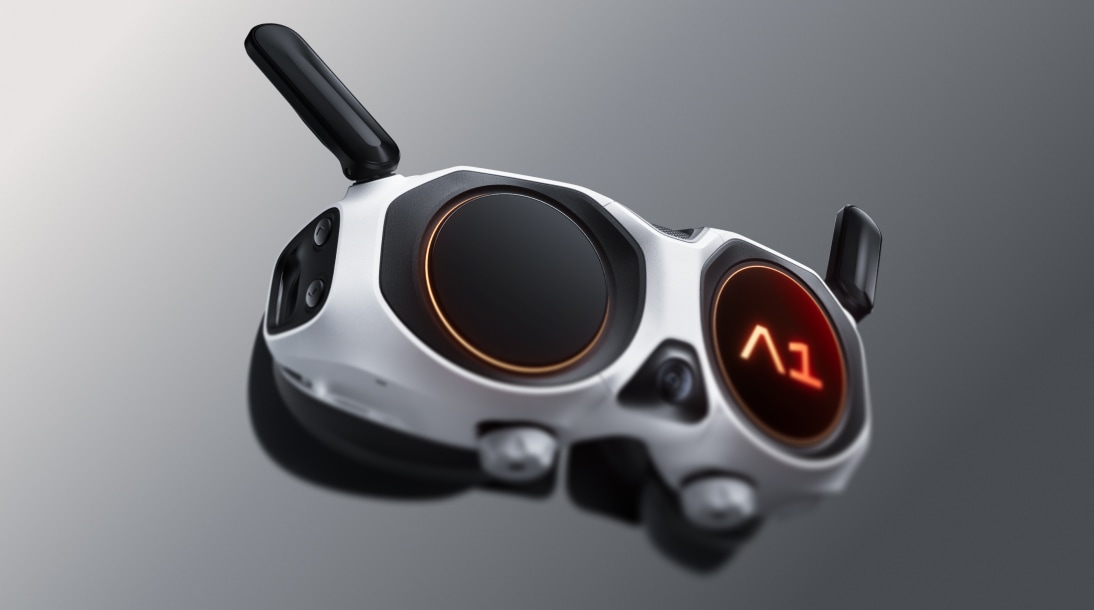
Next, you have the FPV Goggles — your window into the race. A clear and stable video feed is critical when navigating tight gates at high speed. Modern digital goggles increasingly focus on both clarity and long-session comfort. For instance, systems like Antigravity Vision Goggles use dual micro-OLED displays and ultra-low latency transmission to keep motion natural and reduce visual fatigue, while adjustable diopters and a lightweight ergonomic design help maintain awareness and comfort during extended practice sessions. In racing, the less you think about the gear, the more you can focus on flying.
Finally, no racer gets far without fuel. In FPV, your fuel comes in the form of high-performance Lithium Polymer (LiPo) Batteries. These powerful packs provide the intense burst of energy needed for rapid acceleration and aggressive maneuvers. You'll want a collection of them for a good session at the track, along with a high-quality Smart Battery Charger to manage them safely and efficiently.
Why FPV Racing Starts in a Simulator
We've covered the drone and the essential gear, but the most critical part of your initial FPV racing drone kit isn't a physical component; it's practice. If you take away only one piece of advice on how to get into FPV racing, let it be this: your journey must begin with an FPV racing simulator. This isn't just a casual suggestion; it's the foundational step that separates a successful, enjoyable start from a frustrating, expensive pile of broken propellers and burnt-out motors.
Why is this so crucial? Because FPV racing drones, unlike their GPS-stabilized cousins, do not hover in place or correct themselves in the "acro" mode used for racing. They are raw, powerful machines that demand constant, precise input from the pilot just to stay airborne. An FPV racing simulator offers a hyper-realistic physics environment where you can fail, crash a thousand times, and learn without any real-world consequences. It’s the perfect digital arena to build the essential muscle memory required to intuitively fly a powerful quadcopter.
Interestingly, newer immersive flying systems are also helping beginners bridge this gap. Platforms such as Antigravity A1 allow pilots to experience high-speed flight perspective without needing full manual acro control from day one. Because the drone captures the entire environment in 360°, you can focus on trajectory and racing lines first, then refine your piloting skills. Many beginners use this kind of experience to build confidence before committing to competitive racing quads.
By connecting the same radio transmitter you’ll use in the field directly to your computer, every minute of practice is a direct investment in your real-world skill. You'll develop a feel for the controls, master coordinated turns, and learn critical throttle management—the core skills of every racer. Spending 15 to 20 hours in the simulator will transform your first real flight from a chaotic, nerve-wracking experience into a confident and controlled takeoff. It is the smartest, safest, and most cost-effective way to begin your journey to the finish line, ensuring your first days are filled with progress, not repairs.
Choosing Your First FPV Racing Drone: To Build or To Buy?
After clocking serious hours in the simulator, you’ll face a classic crossroads on your journey: should you buy a pre-built drone, or do you take the plunge and build your own? This decision is a pivotal one, shaping not just how quickly you get in the air, but also how you learn and grow as a pilot. Let's explore the two main paths forward.
The quickest route to the skies is buying a Ready-to-Fly (RTF) or Bind-and-Fly (BNF) drone. An RTF package includes everything—the drone, controller, and goggles. A BNF drone comes fully assembled but lets you use your own, often higher-quality, radio transmitter. This path is perfect if your primary goal is to start flying immediately. The trade-off comes later. In FPV racing, crashing isn't a possibility; it's a certainty. When your pre-built drone breaks, diagnosing and fixing it can feel like a difficult puzzle.
The alternative is the deeply rewarding experience of building your own quad, either from a curated FPV racing drone kit or by picking out individual parts. While this requires patience and learning new skills like soldering, the advantage is monumental. You gain an intimate understanding of every component, which transforms repairs from a dreaded chore into a manageable pit-stop. For a racer, knowing how to fix your own machine is what keeps you flying lap after lap, race after race.
How to Join the FPV Racing Community
FPV racing is competitive in the air, but on the ground, it thrives on community. The fastest way to accelerate your skills and enjoyment is to connect with other pilots. Start by searching on social media platforms like Facebook for local FPV, drone racing, or multirotor groups in your area. These communities are invaluable for finding safe and legal places to fly, organizing casual meetups, and getting hands-on help with your build. Online forums and Discord servers are also treasure troves of information, filled with experienced pilots eager to answer questions from newcomers.
Connecting with your local chapter is the best way to bridge the gap from practicing in a field to lining up at the starting gates of your first real race. It’s where you’ll find mentors, rivals, and friends who share your passion for high-speed flight.
FAQ
How much does it cost to get started?
Your initial investment can range from $400 to over $1000. A solid beginner setup with a quality radio transmitter, decent goggles, a pre-built drone, and a few batteries typically falls in the middle of that range. Remember, investing in a good radio and a simulator upfront is the smartest way to start, as it will save you significant money on repairs down the line.
Is FPV racing hard to learn?
Yes, it has a steep learning curve, but it's incredibly rewarding. Unlike standard drones, racing quads require constant control input to stay airborne. It’s like learning to ride a bicycle, challenging at first, but with dedicated practice, the muscle memory clicks, and it becomes second nature.
What are the best FPV drone simulators?
Starting with an FPV racing simulator is non-negotiable. Popular choices like Liftoff, VelociDrone, and the DRL Simulator offer hyper-realistic physics that translate directly to real-world flying. They are the single best investment you can make.
Sei già iscritto?
Iscriviti per ricevere le migliori storie, i consigli e le ultime novità direttamente sulla tua email.

