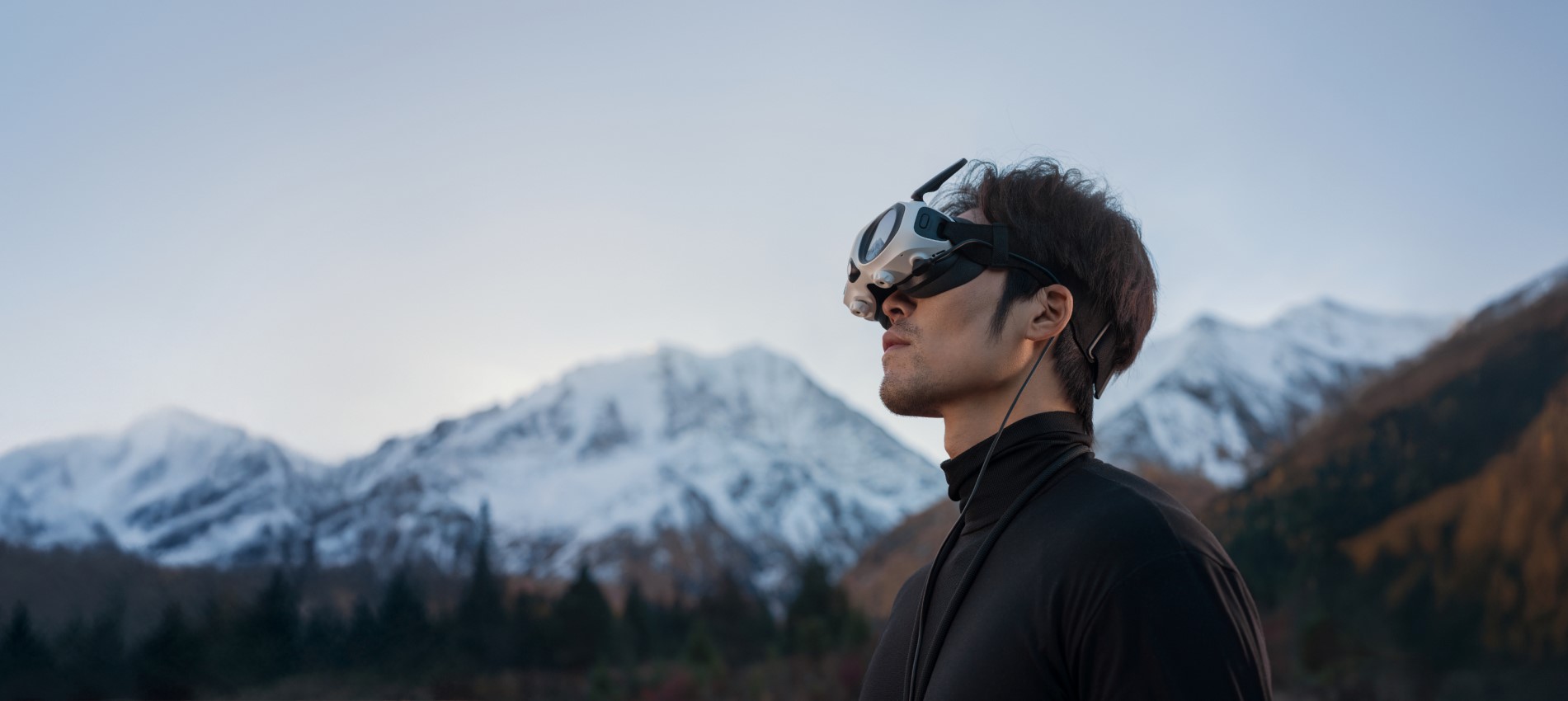
Which Selfie Drone Is Best for Solo Travelers?
2026/10/26Solo adventures are a great way to experience a new place. Following your own itinerary, setting your own pace, and stopping whenever something catches your eye. Getting yourself into the travel photos? That takes a little more creativity. Selfie drones help you step out from behind the camera and into the frame, capturing you and the scenery from angles that can be tricky with a normal camera or phone. Subject tracking and automated shots also make it easier to capture the moment without coordinating every camera move.
So what should you look for when choosing your flying photographer? Important features are crisp, steady footage, helpful automation, and controls you can get comfortable with quickly. Safety features, a bag-friendly design, and enough battery life for a few extra takes matter just as much. Here's what to compare before you take off.

What Should You Look for in a Selfie Drone for Solo Travel?
Feature | Why It Matters | What to Look For |
Camera Quality and Stabilization | Determines how clear, smooth, and usable your photos and videos look | 4K video, reliable stabilization, good image quality, and low-light performance |
Hands-Free Flight Features | Helps you capture yourself while moving | Subject tracking, follow modes, and preset movements |
Ease of Use and Controls | Affects setup and flight management | Intuitive controls, simple flight modes, and manageable setup |
Safety Features | Helps you assess risks around people and obstacles | Obstacle sensing, stable hovering, and propeller protection options |
Portability and Weight | Determines how easily you can carry the full kit | Folded dimensions, drone weight, goggles, controller, and accessories |
Flight Time and Battery Options | Affects how long you can film before recharging or changing batteries | Real-world flight time, charging needs, and spare battery options |
Why is Antigravity A1 Suitable for Solo Travel Filming?
Antigravity A1 combines Deep Track, 8K 360 capture, and FreeMotion controls to address three common solo-filming challenges: keeping yourself in the shot, choosing your framing after landing, and controlling the drone.
The Antigravity A1 is a strong selfie drone option for solo travelers who want to film themselves and the surrounding scenery in one flight, then choose their framing after landing. Its 8K 360 capture lets you reframe footage after filming, while Deep Track follows your selected subject to help keep you in the shot. For U.S. recreational flights using the Vision goggles as an FPV device, plan for a co-located visual observer who can communicate directly with you.
To decide whether A1 fits your trip, consider six factors: image quality and stabilization, subject tracking, ease of control, safety features, portability, and flight time and battery options. With the Standard Flight Battery installed, A1 weighs 8.78 oz (249 g) at takeoff and offers up to 24 minutes of flight time. If you fly exclusively for recreation in the U.S. and meet the applicable conditions, this takeoff weight generally qualifies for the FAA's weight-based registration exception. You must still follow other applicable flight rules.
Key Takeaways
Solo filming: Antigravity A1 suits travelers who want to capture themselves and the surrounding scenery in one flight, then choose their preferred framing after landing.
U.S. FPV rules: If you use the Vision goggles as an FPV device for recreational flying, plan to have a co-located visual observer who can communicate directly with you.
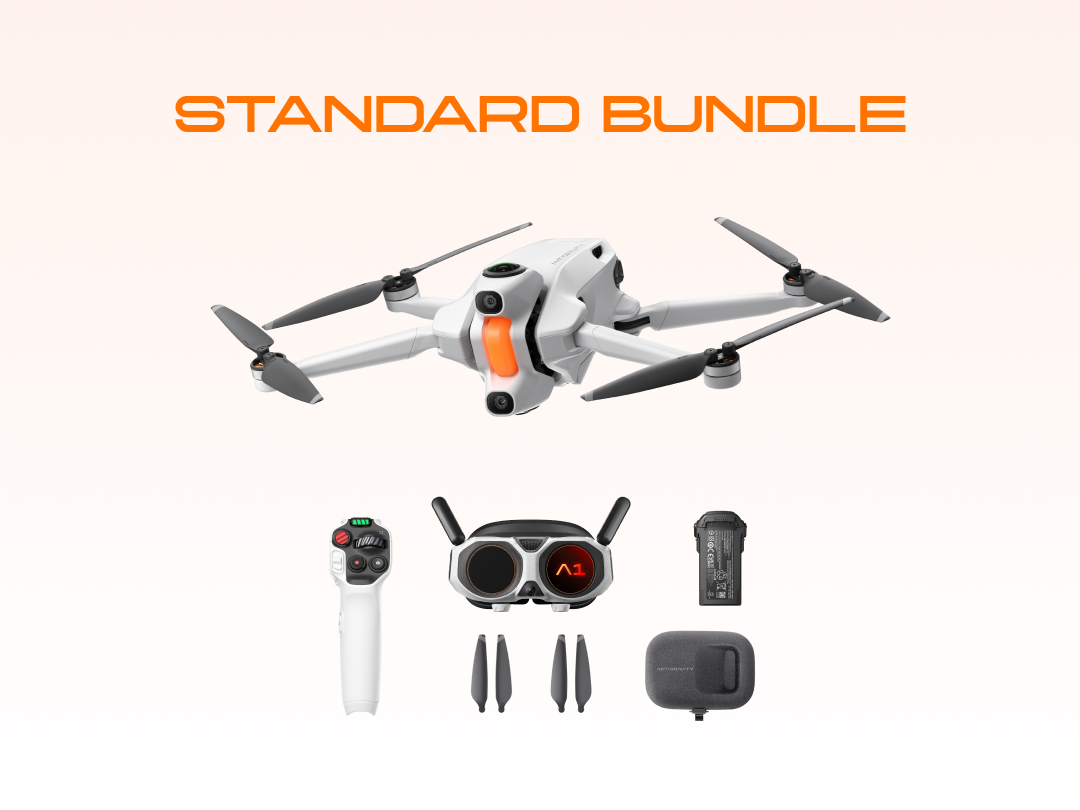
Complete kit weight: Antigravity A1 weighs 8.78 oz (249 g) with the Standard Flight Battery installed. Factor in the Vision Goggles, Grip Motion Controller, spare batteries, and other accessories when estimating your total travel load.
Practice before your trip: Get comfortable with the flight controls, filming, and post-flight reframing before relying on Antigravity A1 to capture important travel moments.
Deep Track Helps Keep You in the Shot
For solo travel, follow-me tracking is especially useful because it acts like a personal camera operator. Instead of setting the drone in one spot and hoping you stay in frame, A1's Deep Track can keep you centered while you explore your destination, capturing the moment from every angle. That makes it much easier to capture selfie-style travel shots that feel more natural, varied, and cinematic than a static tripod angle.
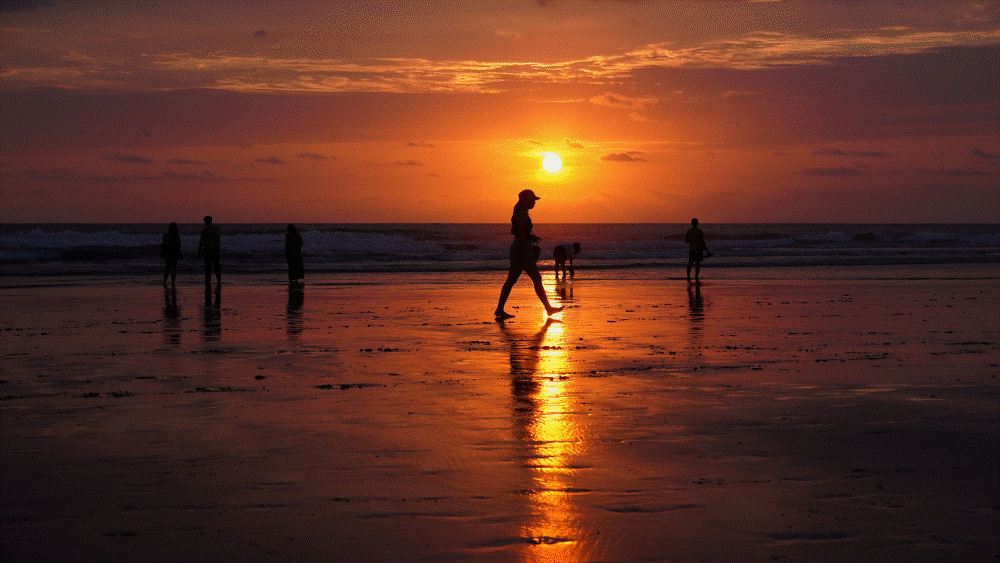
Another benefit is freedom and consistency. You can focus on the experience rather than having to stop every few minutes to reposition the drone or check your framing. For people going solo who don't have someone behind the camera, this opens up more creative options, like revealing the landscape around you while still keeping you as the main subject or following behind as you stroll along the beach, lit by the setting sun.
8K 360 Capture Lets You Frame After the Flight
With a traditional camera drone, you need to decide where the camera points while you fly. That becomes harder when you also need to control the drone and move through the scene.
A1 records in 8K 360, so you can capture the scene first and choose your preferred framing afterward. One flight can give you several perspectives, including:
A forward-looking travel shot
A side view of you moving through the landscape
A wider composition that shows you and your surroundings
Post-flight reframing can reduce the need to repeat a flight just to correct the camera angle, but it cannot recover an obscured subject or fully fix issues with exposure, shooting distance, or flight path.
Point-to-Fly Controls Offer an Alternative to Traditional Stick Controls
Antigravity A1 pairs the Grip Motion Controller with FreeMotion controls. You point the controller in the direction you want to fly and use the trigger to move the aircraft. You still need to practice before an important trip, but this control style can feel more direct than managing traditional stick inputs while filming yourself.
Is Antigravity A1 Easy to Carry on a Solo Trip?
Yes. Antigravity A1 folds into a compact size that fits more easily into a travel bag. However, you should consider the weight and space requirements of the complete kit, not just the drone. Check the official Antigravity A1 specifications for detailed measurements and component weights before planning what to pack.
Travel Spec | Antigravity A1 | Why It Matters for Solo Travel |
Drone weight | 8.78 oz (249 g) with standard battery / 10.26 oz (291 g) with high-capacity battery | A lighter setup is easier to carry during hikes and other trips |
Folded size | 5.56 × 3.79 × 3.20 in (141.3 × 96.2 × 81.4 mm) | Fits more easily into a travel bag, leaving room for other essentials |
Vision goggles weight | 12.0 oz (340.4 g) | Adds to your travel load, so include the goggles when planning what to pack |
Grip motion controller weight | 4.38 oz (124.3 g) | Adds little bulk but still counts toward the weight of your complete setup |
Storage | 20 GB internal + microSD up to 1 TB | Gives you more space for 8K 360° footage on longer trips |
Max wind resistance | 24 mph (10.7 m/s) | Useful when planning outdoor filming in exposed locations such as coastlines and ridges |
Which Antigravity A1 Battery is Better for Solo Travel?
Antigravity A1 gives you two battery options, so your choice comes down to whether you value lower weight or longer flight time.
Battery | Standard Flight Battery | High-Capacity Flight Battery |
Drone Weight | 8.78 oz (249 g) | 10.26 oz (291 g) |
Max Flight Time | Up to 24 minutes | Up to 39 minutes |
U.S. recreational registration based on weight | Generally not required for drones under 250 g | Required |
Best For | Lighter travel setups, hiking, and shorter filming sessions | Longer filming sessions and fewer battery changes |
Actual flight time can vary with wind, temperature, flight speed, flight mode, and other conditions. Plan your battery choice around the conditions and filming needs of your trip rather than treating the maximum flight time as a guaranteed duration.
What Should Solo Travelers Know Before Flying A1 in the U.S.?
Before you fly Antigravity A1 for recreation in the United States, check the applicable registration, safety, and airspace requirements.
Registration: With the Standard Flight Battery, A1 weighs 249 g, so it generally qualifies for the under-250 g recreational registration exception. The High-Capacity Flight Battery raises the drone's takeoff weight to 291 g, so you must register it for recreational flying.
TRUST: Complete the FAA's free Recreational UAS Safety Test (TRUST) before flying and keep proof of completion with you. All recreational flyers must meet this requirement, regardless of whether the drone falls below the 250 g registration threshold.
Visual line of sight: Keep Antigravity A1 within your visual line of sight throughout the flight. If you use a visual observer, that person must stay physically next to you and communicate directly with you.
Airspace and altitude: Check the airspace at your launch location before takeoff. Recreational flights in uncontrolled Class G airspace generally must stay at or below 400 ft (122 m) above ground level. Controlled airspace may require prior FAA authorization.
CBO safety guidelines and right of way: Follow the safety guidelines of an FAA-recognized Community-Based Organization (CBO), and give way to other drone without interfering with their operations.
If your A1 requires FAA registration, you must also comply with applicable Remote ID requirements unless an exception applies, such as operating within a FAA-Recognized Identification Area (FRIA). For more details, consult the FAA's official guidance.
Can You Fly Antigravity A1 Alone With the Vision Goggles in the U.S.?
You shouldn't plan to fly A1 alone while using the Vision goggles as an FPV device for recreational flight in the U.S. The FAA's AC 91-57D guidance states that recreational flyers need a visual observer when using FPV devices because the onboard camera view limits their ability to scan the surrounding airspace. Your observer must stay close enough to communicate directly with you.
The advisory circular provides guidance rather than creating a separate legal requirement. The underlying recreational flight rules require you or a co-located visual observer to maintain unaided visual line of sight with the aircraft throughout the flight. If you're traveling alone and cannot arrange a visual observer, consider another way to capture your footage that allows you to comply with the applicable flight rules. Deep Track and the goggles' camera feed do not replace the visual-line-of-sight requirement.
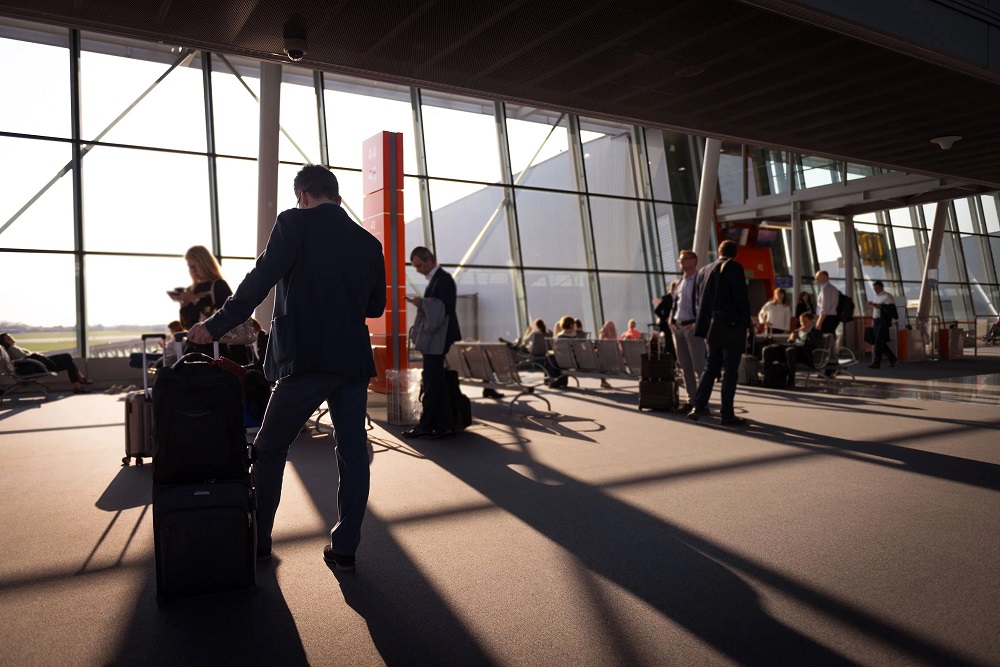
Can You Take Antigravity A1 on a Plane?
Yes. You can bring the Antigravity A1 on a plane in the U.S. TSA allows drones through airport security, but airlines may have additional baggage requirements, so check with your airline before departure.
Battery Rules
When you travel with a drone by plane, battery safety is one of the key things to consider. Keep spare lithium batteries in your carry-on baggage, protect the terminals to prevent short circuits, and check the battery's watt-hour (Wh) rating. The FAA has specific requirements for the Wh rating of lithium batteries that passengers bring on drone:
Battery Rating | What You Should Know |
0–100 Wh | Generally allowed on passenger aircraft; spare or removed batteries must go in carry-on baggage |
101–160 Wh | Requires airline approval; each passenger may carry up to two spare batteries, in carry-on baggage |
Over 160 Wh | Not allowed on passenger aircraft |
Both A1 flight batteries fall well below the FAA's 100 Wh threshold. The Standard Flight Battery is 16.9 Wh, while the High-Capacity Flight Battery is 31.1 Wh. The Vision Goggles battery is 32.85 Wh, which also falls below 100 Wh. Airlines may impose stricter battery requirements, so check with your carrier before departure.
Packing the Drone and Accessories
The drone itself does not have the same restrictions as loose or spare lithium batteries, but carrying the drone, goggles, controller, and other accessories in your carry-on can help protect your equipment from damage, loss, or theft.
For solo travel, also check your airline's carry-on size and weight limits before choosing a case. A compact setup makes it easier to keep your drone gear together while leaving room for your other travel essentials.
Is Antigravity A1 the Right Drone for Your Solo Trip?
Whether Antigravity A1 is right for you mainly depends on your filming style, portability needs, and flying preferences.
Antigravity A1 may be a good fit if you:
Often travel alone without someone else to operate a camera.
Want to capture yourself and the surrounding landscape in the same flight.
Prefer choosing your final framing after filming.
Want multiple angles or different formats for social media from one flight.
Prioritize portability and want to carry a lighter drone.
Prefer motion-based controls over traditional stick controls.
Another setup may suit you better if you:
Care more about the weight of the complete kit than the weight of the drone alone.
Prefer a traditional screen-based camera workflow over goggles-based flight.
Need a visual observer for your flight setup but cannot arrange one.
You can first consider your filming style, complete kit weight, battery life, and FAA requirements, then decide whether Antigravity A1 fits your solo trip.
Conclusion
Antigravity A1 is worth considering as a selfie drone for solo travelers who want to capture themselves and their surroundings, then refine the framing after landing. Its 8K 360 capture and Deep Track support that workflow, but you should also account for the complete kit, post-production work, and flight rules at your destination. For recreational FPV flights in the U.S. using the Vision goggles, plan for a co-located visual observer in line with FAA guidance. Choose A1 when its filming workflow and equipment requirements fit your travel plans.
FAQ
Can Antigravity A1 Follow Me?
Yes. A1 includes Deep Track, which lets you select a subject for the drone to follow. This can help when you want to include yourself in travel footage without constantly adjusting the composition manually. You still need to choose a suitable flying environment and remain responsible for safe operation throughout the flight.
Can Antigravity A1 Shoot Vertical Video for Reels or TikTok?
A1's 360 capture gives you the flexibility to reframe footage into different aspect ratios after the flight. That means you can take the same recording and create vertical compositions for platforms such as Reels or TikTok without committing to a vertical camera angle while you fly.
Do I Need to Register Antigravity A1 With the FAA?
Whether you need to register Antigravity A1 with the FAA depends on its takeoff weight and how you fly. With the Standard Flight Battery, A1 weighs 8.78 oz (249 g). If you fly it exclusively for recreation, it generally qualifies for the FAA's under-250 g registration exception. You must still pass the free TRUST safety test and follow applicable recreational flight rules. Switching to the High-Capacity Flight Battery raises A1's takeoff weight to 10.26 oz (291 g), so you must register it for recreational flying. If you fly under Part 107, you must register A1 regardless of its weight.