
Can You Bring a Drone on a Plane? Carry-On and Checked Bag Rules
2026/11/01Taking your drone on a plane? It can fly with you, but its batteries have their own boarding rules. Airlines often allow drones in carry-on bags, and some permit them in checked luggage. Spare lithium batteries, however, generally need to stay in the cabin, with tighter limits for higher-capacity packs. Before takeoff, check your airline’s policy, your batteries’ watt-hours, and whether your whole setup will fit. A little packing prep can keep your trip from taking an unexpected detour at the baggage counter.
TSA, FAA, and Airline Rules for Traveling With a Drone
At U.S. airports, TSA screening rules determine which items can pass through security, and each airline decides whether it will accept your drone in carry-on or checked baggage. Battery size and packing restrictions fall under the FAA's PackSafe lithium battery rules. Check your carrier's policy before deciding where to pack your equipment.
TSA Security Checkpoint Rules
TSA generally allows drones through airport security checkpoints, although officers may inspect your equipment before clearing it. Keep your drone, controller, and cables organized so you can access them easily if an officer requests a closer look.
Turn off the drone before screening and follow the instructions at your checkpoint. Screening procedures may vary by airport, so be ready to remove your equipment from its case if TSA staff ask you to do so.
FAA Lithium Battery Limits
Before packing, check the watt-hour (Wh) rating on each flight battery. You can usually find it on the battery label. If the label gives only volts (V) and milliamp-hours (mAh), multiply V by mAh and divide by 1,000. For example, a 7.2 V, 4,000 mAh pack stores 28.8 Wh.
Keep spare drone batteries in your carry-on. An installed battery may qualify for checked baggage if your airline accepts the drone and you take the required safety precautions. Larger batteries face additional limits:
Battery type | Carry-on baggage | Checked baggage | Approval |
Installed in the drone, up to 100 Wh | Generally allowed | May be allowed if fully off and protected | No FAA approval; check airline policy |
Spare, up to 100 Wh | Allowed; personal use | Not allowed | Not normally needed |
Installed, over 100 to 160 Wh | May be allowed | May be allowed if fully off and protected | Airline approval |
Spare, over 100 to 160 Wh | Up to two per passenger | Not allowed | Airline approval |
Any lithium-ion pack over 160 Wh | Not allowed | Not allowed | Not eligible as passenger baggage |
For personal use, the FAA sets no fixed quantity limit for most spare batteries rated at 100 Wh or less, although your airline may set its own cap. Check each pack separately, especially if you carry an extended-flight battery. Keep any exposed terminals protected from contact with metal objects.
Airline Baggage Policies
Check your airline's baggage policy for both drones and lithium batteries before you pack. Some carriers require you to remove the flight battery when checking the drone, and carry-on size limits can affect which case you use. Confirm:
Whether the airline accepts the drone in carry-on baggage, checked baggage, or both.
Whether you must remove the installed battery and how many spare batteries you may carry.
Whether you need advance approval for a higher-capacity battery or an unusually large equipment case.
If your itinerary includes more than one airline, review each carrier's policy. Save the relevant baggage page where you can reach it at check-in, especially if your equipment falls close to a published limit.
Can You Bring Drone Accessories on a Plane?
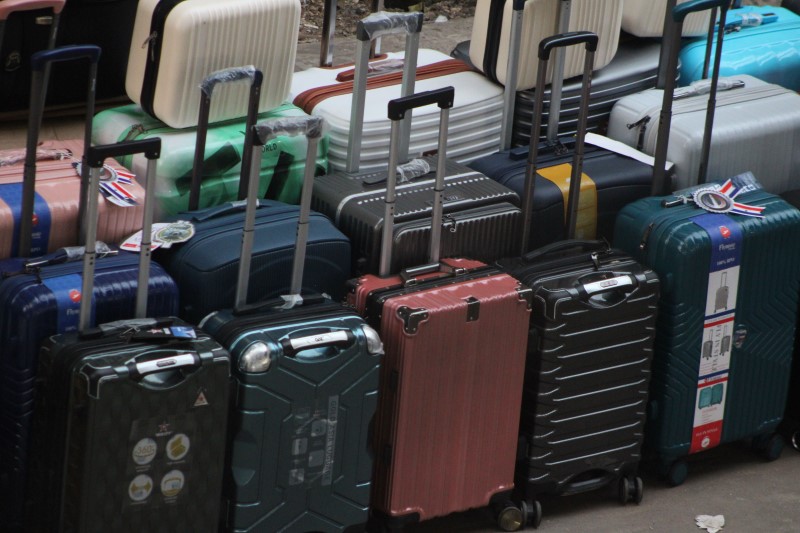
Your drone kit may also include a controller, viewing goggles, chargers, and spare accessories. Most accessories raise no special issue, but anything with a lithium battery deserves a separate check.
Accessory | Where to pack it | What to check |
Controller or viewing goggles | Carry-on recommended | Turn off built-in batteries; confirm checked-bag rules if needed. |
Spare propellers and guards | Carry-on or checked, subject to screening | Protect blades and pack small parts securely. |
Wall charger, cables, empty charging hub | Generally either bag | Remove any flight batteries from the hub. |
Power bank or portable charger | Carry-on only | Check its Wh rating and your airline's separate power-bank limits. |
Before closing your bag, check charging hubs and equipment cases for loose batteries. Some controllers and viewing goggles also use removable battery packs, which need separate protection when you carry them outside the device. Power banks have additional restrictions: under the 2026 ICAO rules, passengers can carry no more than two power banks and cannot recharge them during a flight. Check your airline's policy for any additional restrictions.
How to Pack a Drone for a Flight
Start with a case that protects the drone and gives you quick access to anything screening staff might want to inspect. Keep the flight batteries easy to identify, and check the size of the complete carry-on kit before you leave home.
Pack Your Drone and Accessories Securely
Power the drone down completely and protect its camera or lens. Fold the drone as its manufacturer directs, then use a padded case or dividers to prevent movement inside the bag. Even a compact travel drone needs room for its controller, goggles, batteries, and chargers, so check the dimensions of your complete kit against your airline's carry-on allowance.
Keep the drone and camera away from hard chargers, tools, and loose metal items.
Place the controller and goggles in padded compartments, and cover any exposed lenses or control sticks.
Store spare propellers, propeller guards, memory cards, and small cables in separate compartments to prevent them from shifting during travel.
Battery capacity also matters when you're packing your drone for a flight. The Antigravity A1 uses a 16.9 Wh standard flight battery or a 31.1 Wh high-capacity option, both below the FAA's usual 100 Wh limit. With its standard battery, the drone = weighs about 8.8 oz (249 g), making it easier to fit into a compact travel case. You'll still need to follow your airline's baggage rules and keep any spare flight batteries in your carry-on.
Protect Spare Drone Batteries
A flight battery counts as a spare when you carry it separately from the drone. The same applies to removable batteries that you've taken out of accessories, such as viewing goggles. Keep these batteries in your carry-on and protect their terminals from short circuits. You can use the original packaging, individual battery sleeves, protective pouches, or nonconductive tape.
Read the Wh label on each battery, including older spares and higher-capacity packs.
Keep batteries separate from keys, coins, spare screws, and other conductive objects.
Inspect every pack for swelling, leaks, dents, or recall notices before leaving home.
Keep your battery pouch accessible in case airline staff asks to see the capacity labels.
Don't bring a damaged or recalled lithium battery that poses a heat or fire risk. If you aren't sure whether a pack meets the requirements, contact the airline before your departure date.
What to Do If Your Carry-On Gets Gate-Checked
A full flight can lead to a gate-check request even when your bag meets the airline's carry-on size limit. Before handing it over, remove spare lithium batteries and power banks. Keep them in the cabin with their terminals protected. If airline staff also require you to remove the drone's installed battery, handle that battery as a spare too.
Pack the batteries in a small pouch that you can lift out in seconds. If you have room in a personal item, keep that pouch there from the start. Ask airline staff about any special handling for the aircraft, and don't assume a fragile label changes the baggage rules.
Can You Take a Drone on an International Flight?
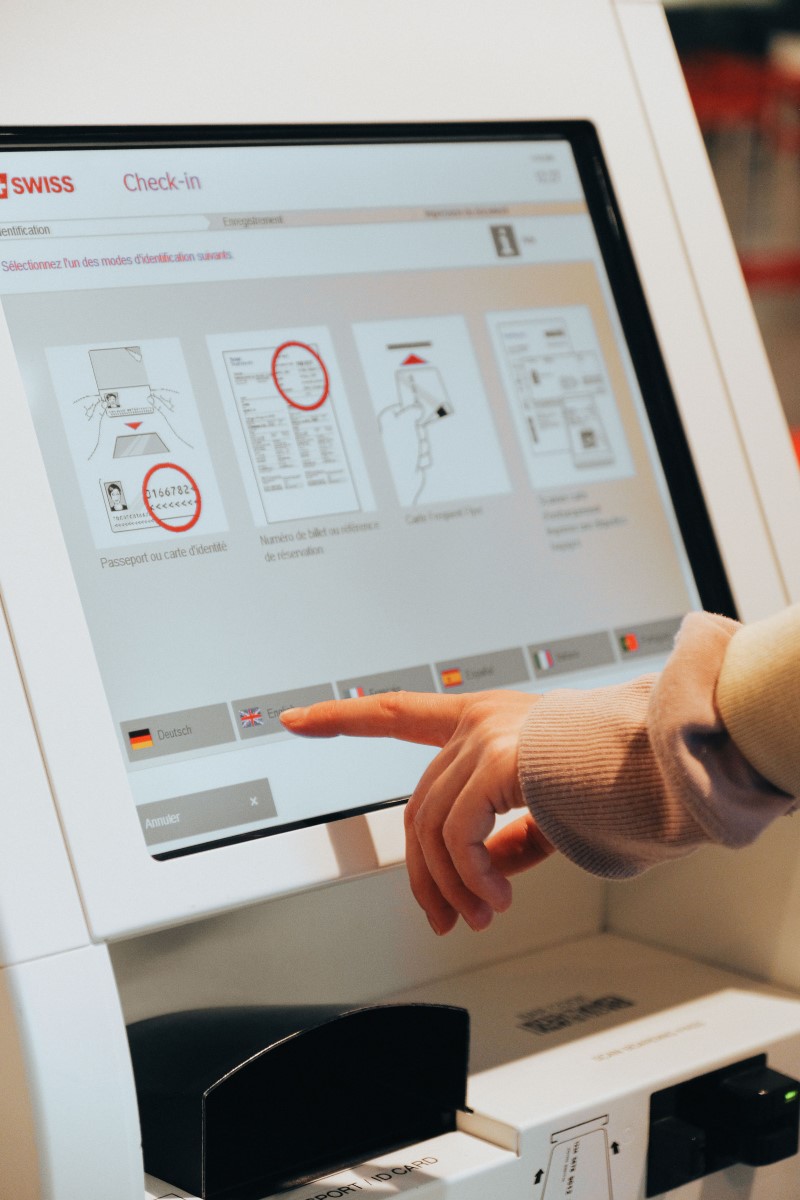
Many airlines allow drones on international flights, but you'll need to check the rules for each destination and any connecting flights. TSA handles security screening at U.S. airports; other countries have their own procedures. Some destinations also restrict drone imports or require registration before you can fly.
Before an international trip, check three things that apply to your particular route:
Entry rules: Review customs requirements for bringing a camera drone into the country, including any permit or declaration procedures.
Flight rules: Confirm registration, pilot qualifications, restricted airspace, and local operating limits before you plan a flight.
Connection rules: Check every airline and transit airport, including separate limits for spare batteries and power banks.
Permission to carry a drone on a flight doesn't automatically allow you to operate it at your destination. In the United States, drone registration rules depend on takeoff weight and flight purpose. Other countries have their own requirements, so check the relevant aviation and customs authorities before departure.

Conclusion
Can you bring a drone on a plane? Yes. Check your airline's baggage policy, carry spare flight batteries in the cabin, and protect their terminals against short circuits. Confirm the Wh rating on each battery before departure, especially if you use a high-capacity pack. For international flights, review the destination's import and flying requirements so you know what to expect after landing.
FAQ
Can I Bring a Drone on a Plane in Checked Luggage?
Some airlines allow a drone in checked baggage if you switch it off completely and protect it from damage. They may require you to remove its flight battery. Never place spare lithium batteries in checked luggage, and confirm the carrier's drone policy before departure.
Will TSA Confiscate My Drone?
TSA doesn't automatically confiscate drones. It generally allows them through security checkpoints, although an officer may inspect your equipment and make the final screening decision. Your airline can still reject a bag that violates its baggage or battery policy.
Can I Bring Multiple Drone Batteries on a Plane?
Yes. Under the FAA's general rule, you can usually bring multiple spare lithium-ion batteries of 100 Wh or less for personal use, subject to airline limits. Batteries over 100 Wh and up to 160 Wh require airline approval, and you can bring no more than two of those larger spares.