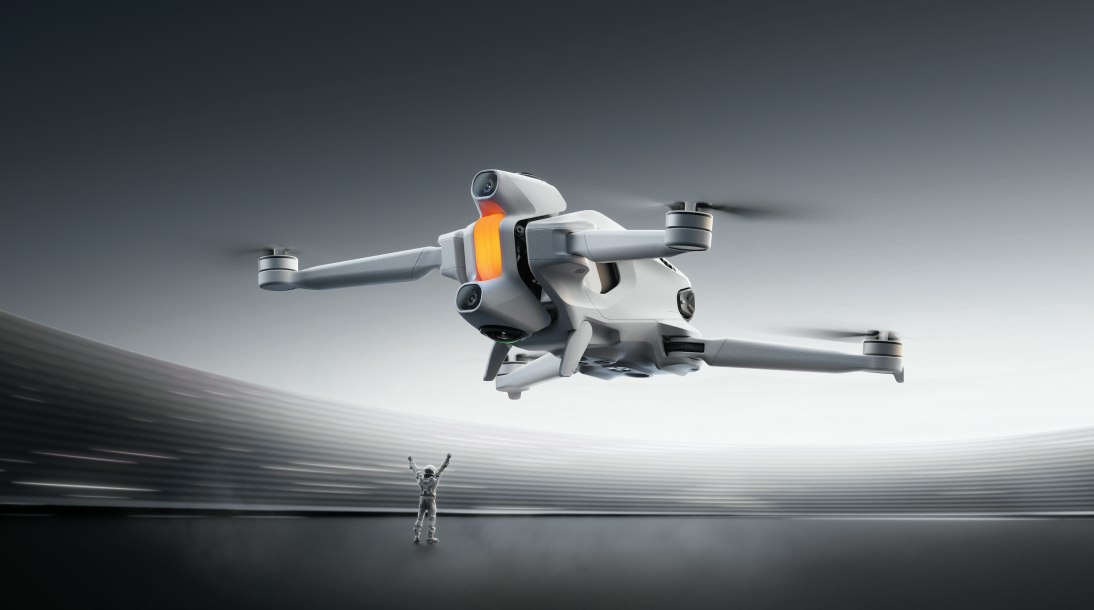
What is A Drone? | Types, Guide and Laws in 2026
March 19, 2026
For decades, capturing a true bird's-eye view required a helicopter or a daring climb, but today, that power sits right in the palm of your hand. Drones have opened up a frontier of possibilities once reserved for professional studios, turning the sky into a playground for hobbyists, storytellers, and professionals alike. This guide is your definitive roadmap to the world of aerial exploration. We will cover everything from the basic definitions and the technology that powers these machines, to the creative applications and the essential rules that govern the sky.
What is a Drone?
At its most basic, a drone is any vehicle that operates without a human pilot on board. While "drone" is the popular catch-all term, you'll often hear professionals use more specific language. The term "Unmanned Aerial Vehicle" (UAV) refers to the craft itself. Regulators and industry experts prefer the term Unmanned Aircraft System (UAS), referring to the entire system required for flight: the UAV, the remote controller, and the wireless data link that connects the two.
Understanding these UAV technology basics is the first step toward understanding how the skies have become closer than ever.
Drones Types
The term "drone" covers an incredible range of craft, each designed for a specific purpose. Choosing the right tool for your needs is key.
Beyond these broad categories, drones also vary by size, from nano-drones that fit in your palm to large industrial machines. The sweet spot for most creators is the consumer category, which balances portability with high-end camera technology. For those seeking heart-pounding excitement, the world of FPV offers a completely different experience, requiring a unique level of manual control.
Common Drone Applications
Mastering the Art of Drone Photography & Videography
Aerial storytelling is about finding a perspective that changes how we see a familiar landscape. For many starting out, drone photography for beginners can feel overwhelming, but here are a few quick tips to get you started. From a few hundred feet up, the world reveals a hidden geometry. Look for patterns, leading lines, and symmetry that aren't visible from the ground. The "golden hour", just after sunrise or before sunset, provides a soft, warm light that adds depth and magic to your aerial captures.
For drone videography, smooth, controlled movements are key to cinematic footage. Techniques like the "dronie" (flying backward and upward away from a subject) or the "orbit" (circling a point of interest) can add a professional touch to your videos.
For creators who want maximum flexibility in post-production, Antigravity A1's immersive 360° capture and intuitive FreeMotion control allow you to fly first and reframe later, crafting infinite stories from a single flight.
Drones in Industry: Agriculture and Beyond
Professionals are using drones for more than just creative pursuits. The use of drones in agriculture is just one example of how drones are transforming industries worldwide. Drones allow for precise crop monitoring, pest detection, and targeted spraying. This saves time, reduces costs, and increases yields. Similarly, drones are bringing a whole new perspective to real estate, construction site monitoring, and infrastructure inspection.
The Immersive World of FPV
If you have ever dreamt of having wings, First-Person View (FPV) flight is a great first step. By wearing a headset, the user receives a live video feed that puts them in the pilot's seat. This is the core of what an FPV drone is.
This technology is the driving force behind the thrilling sport of FPV racing, where pilots navigate complex courses at high speeds. For even deeper immersion, some systems are pushing into the realm of VR drones, blending virtual reality with real-world flight. Flying FPV drones requires a different skill set than standard drone flying.
A Beginner's Guide
Mastering how to fly a drone begins long before the propellers spin. A disciplined pre-flight routine is essential for safety and success.
- Pre-Flight Inspection: Check propellers for damage, ensure the battery is secure, and verify you have enough storage space.
- Power Management: Always start with a fully charged battery. Plan to land with at least 20% power remaining to account for wind or other challenges.
- Basic Maneuvers: Find a clear, open area. Practice hovering and making small, controlled movements—forward, backward, left, and right—to understand the drone's responsiveness.
- Smooth Landing: Bring the drone to a steady hover above your landing spot before slowly reducing altitude. Power down the motors completely before approaching the craft.
Drone Laws & Safety
The freedom of the sky comes with guidelines to keep everyone safe. Understanding these rules is a non-negotiable part of being a pilot.
Always be aware of the local requirements regarding drone flight. For example, in the United States, the Federal Aviation Administration (FAA) is the governing body. Here's a summary of the key regulations you must know, which are covered in-depth in our guide to FAA Drone Regulations.
It's also crucial to be aware of how regulations are evolving. Our guide to Drone Laws in 2026 covers upcoming changes like Remote ID. Furthermore, remember that state and local governments can have their own rules. We also have a comprehensive guide to flying in the United States, covering everything you need to know about drones in America.
Advanced Drone Features
Modern drones are packed with technology to make flying safer and easier. The most important of these is obstacle avoidance. Using a variety of sensors (visual, infrared, ultrasonic), these systems can detect and automatically avoid potential hazards. This is a game-changer, especially for beginners or when flying in complex environments. While these systems are incredibly advanced, they can have limitations in low light, which is an important consideration when flying a drone at night.
FAQ
How long does a typical drone battery last?
Flight times vary across different types of drones, but most modern consumer models offer between 20 and 30 minutes of airtime per charge. External factors, like high wind speed and cold temperatures, can affect this estimate, so it's always a good idea to carry spare batteries to keep your creative energy flowing.
Is it hard to learn how to fly a drone?
Thanks to GPS and stabilization technology, basic flight is more accessible than ever. Our Drone Beginner Guide can get you in the air confidently in no time.
Can I fly my drone anywhere?
No. Pilots must follow all local drone regulations, which often include staying out of restricted airspace near airports, military bases, and national parks. Checking a flight map app before every takeoff is a fundamental step in being a responsible pilot. By respecting the shared airspace, we ensure the sky remains open for every creator to explore safely.
Conclusion
We've traveled from the basic definitions of a UAV to the artistry of aerial photography and the legal frameworks that keep our skies safe. Your next step is to choose the right drone for your journey. Joining a local flying club or an online community is also a fun way to kickstart your adventure and share your new hobby with others. Remember, every expert was once a beginner!
As you prepare for your first takeoff, keep safety and respect for the rules at the heart of your practice. The sky is a vast, beautiful canvas that we all share. Clear skies and happy flying!
登録済ですか?
メルマガに登録して、Antigravityの最新情報をメールで受信!

